

Anyone who’s spent an appointment repositioning a single bracket that just won’t sit right knows exactly how much time that one small correction can eat. Multiply that across a full schedule of bonding appointments, and the minutes add up fast.
A growing number of practices are solving this not with better hands, but with better planning, well before the patient ever sits in the chair.
Where Chairside Adjustments Actually Come From
Most chairside corrections trace back to the same root cause: bracket position determined in the moment, under time pressure, without the benefit of a verified plan.
A clinician eyeballing placement against a mental model of ideal tooth position is working from experience and judgment, both valuable, but both also vulnerable to small inconsistencies that show up later as a bracket sitting slightly off-axis or a tray that doesn’t seat the way it should.
Even experienced clinicians vary slightly from one bonding appointment to the next, simply because freehand placement leaves room for human variability that a verified plan removes entirely.
The Hidden Cost of “Close Enough”
A bracket placed a millimeter off doesn’t always look wrong in the moment. It often only becomes obvious weeks into treatment, when tooth movement isn’t tracking the way it was planned.
At that point, the fix isn’t a quick chairside tweak anymore; it’s a rebond, a wire adjustment, or sometimes an entire treatment delay.
Small placement errors compound over the course of treatment, and the appointment time lost to correcting them tends to be far more expensive than the few extra minutes a verified plan would have taken upfront.
How a Computer-Guided Workflow Changes the Sequence
The core shift is simple to describe, even if the technology behind it isn’t. Treatment planning moves off the chair and onto a screen, before bonding day ever arrives.
Planning Happens Before the Patient Sits Down
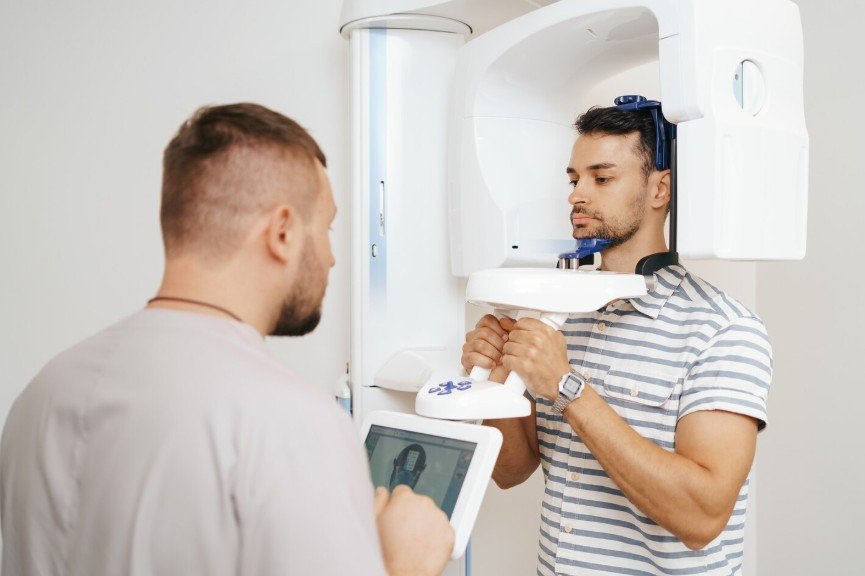
Using a 3D scan of the patient’s dentition, the clinician maps exact bracket positions digitally, accounting for tooth anatomy, planned movement, and bite considerations all at once.
Since many practices now depend on cloud-based planning tools, fast connectivity matters, which is why understanding the reasons fibre internet beats cable and DSL can help clinics support smoother digital workflows.
That plan gets reviewed, adjusted, and finalized on screen, where changes cost nothing but a few clicks.
Compare that to making the same correction with a bracket already bonded to enamel, where every change costs both chair time and patient comfort.
Custom Trays Translate the Plan Precisely
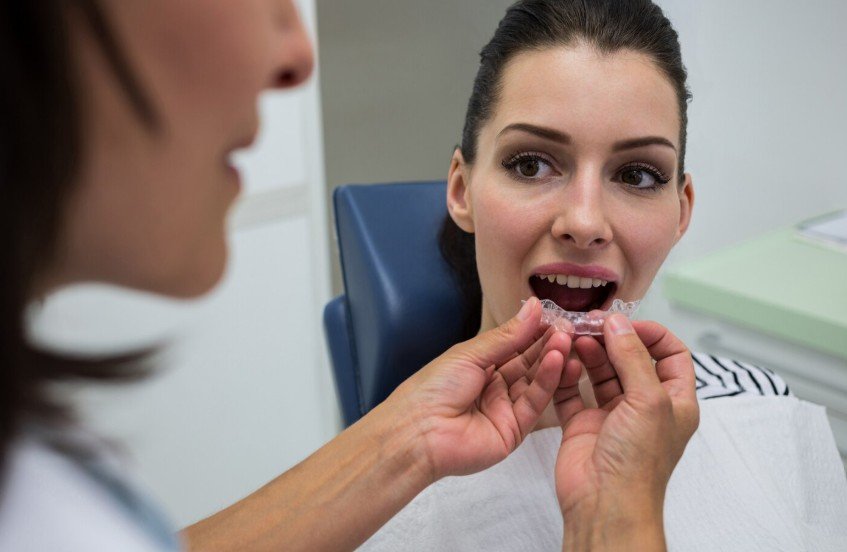
Once the digital plan is locked in, custom-fabricated trays carry that exact positioning from the screen to the patient’s mouth.
Because the trays are built around the same data used to plan the case, bracket placement during the actual bonding appointment matches the plan with a level of precision that freehand placement simply can’t guarantee.
The clinician isn’t estimating position chairside anymore; they’re executing a plan that’s already been verified. That distinction, planning versus executing, is really the core of why the workflow changes outcomes as much as it changes pace.
What This Means for a Real Appointment Schedule
The practical impact shows up in ways a front desk notices immediately.
Shorter, More Predictable Bonding Appointments
When bracket position is determined in advance, the actual bonding appointment becomes largely about execution rather than decision-making.
That tends to shorten appointment length and make scheduling far more predictable, since there’s less variability between a straightforward case and a complicated one once the planning work has already been done ahead of time.
Fewer Follow-Up Visits for Repositioning
Precision at bonding reduces the downstream repositioning visits that eat into a packed schedule weeks or months later. A practice that’s consistently rebonding brackets midway through treatment is, in effect, paying for the same appointment twice.
Cutting that out has a real, compounding effect on how many patients a practice can comfortably see in a given week, and it tends to reduce the kind of last-minute schedule shuffling that follow-up corrections often force.
Considerations Before Adopting a New Workflow
This kind of shift isn’t simply flipping a switch, and it’s worth weighing honestly before committing.
Training and the Initial Learning Curve
Staff need time to get comfortable with new scanning equipment and digital planning tools, and the first several cases typically take longer than the chairside method ever did.
This is where digital sim technology supports modern workforce training by helping teams understand digital processes before applying them fully in live clinical settings.
That investment tends to pay off as the team gets faster, but practices should plan for a genuine ramp-up period rather than expecting instant efficiency gains.
It helps to start with a handful of straightforward cases before introducing the workflow into more complex treatment plans, so the team builds confidence before tackling the cases where precision matters most.
Evaluating Fit for Practice Size and Case Mix
Not every practice will see the same return immediately. A high-volume practice running frequent bonding appointments will likely feel the time savings faster than a smaller practice with a lighter case load.
Practices evaluating digital indirect bonding software should weigh their own appointment volume and case complexity honestly, since the efficiency gains scale with how often the workflow actually gets used.
A practice running just a handful of bonding cases a month may not see the same return as one running several every week, and that’s worth factoring into any decision about timing the switch.
Conclusion
Shifting bracket placement decisions from the chair to the screen trades a short learning curve for fewer chairside corrections, shorter appointments, and far less rework down the line. For practices weighing the switch, the time savings tend to compound the longer the workflow stays in regular use.