Tooth infections can start as minor discomfort but quickly escalate into severe pain and serious health complications if left untreated. Understanding what causes these infections is the first step toward prevention and maintaining a healthy smile. In this guide, we’ll break down the most common causes of tooth infections, how they develop, and what you can do to avoid them.
What Is a Tooth Infection?
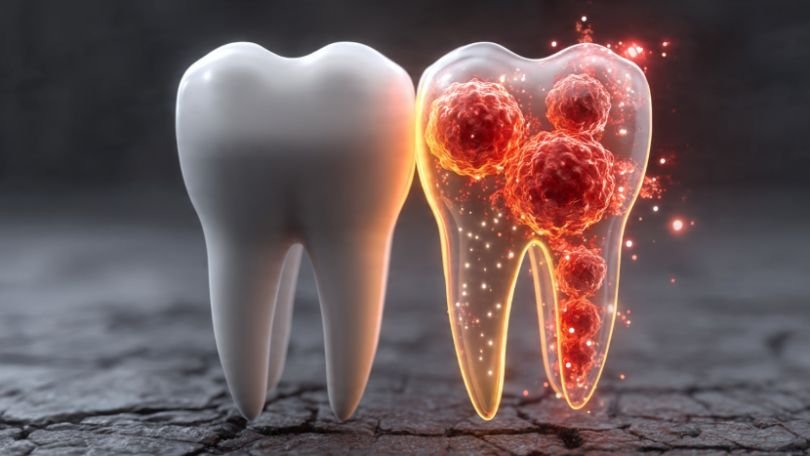
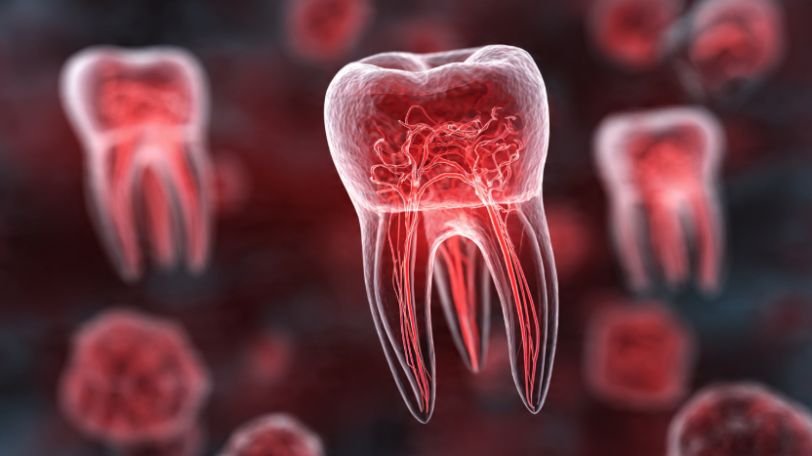
A tooth infection, also known as a dental abscess, occurs when bacteria invade the inner layers of the tooth. This typically affects the pulp—the soft tissue inside the tooth that contains nerves and blood vessels. Once bacteria reach this area, the infection can spread to surrounding tissues, leading to swelling, pain, and even systemic health concerns.
Common Causes of Tooth Infections
1. Poor Oral Hygiene
One of the leading causes of tooth infections is inadequate oral care. Failing to brush and floss regularly allows plaque—a sticky film of bacteria—to build up on teeth. Over time, plaque hardens into tartar and creates an environment where bacteria thrive, eventually leading to decay and infection.
2. Untreated Cavities
Cavities are small holes in the tooth caused by decay. When left untreated, they grow deeper and allow bacteria to penetrate the enamel and dentin layers, eventually reaching the pulp. At this stage, the risk of infection increases significantly.
3. Gum Disease
Gum disease, or periodontal disease, is another major contributor. In its early stage (gingivitis), gums become inflamed and bleed easily. If not treated, it can progress to periodontitis, where gums pull away from teeth, forming pockets that trap bacteria. These pockets can lead to infections that affect both the gums and tooth roots.
4. Cracked or Damaged Teeth

A cracked or chipped tooth creates an entry point for bacteria. Even small fractures that are not immediately visible can expose the inner layers of the tooth. Without proper treatment, bacteria can enter and cause infection over time.
5. Impacted Wisdom Teeth
Wisdom teeth that fail to fully emerge—known as impacted teeth—can trap food particles and bacteria under the gums. This creates an ideal environment for infection. In some cases, procedures like wisdom teeth surgery in Ogden are recommended to prevent complications associated with impacted teeth.
6. Dry Mouth
Saliva plays a crucial role in washing away food particles and neutralizing acids produced by bacteria. A condition known as dry mouth reduces saliva production, increasing the risk of bacterial growth and tooth decay, which can lead to infections.
7. Weakened Immune System
Individuals with weakened immune systems are more susceptible to infections, including those affecting the teeth. Conditions such as diabetes or certain medications can make it harder for the body to fight off harmful bacteria in the mouth.
Signs and Symptoms to Watch For
Recognizing the early signs of a tooth infection can help you seek treatment before it worsens. Common symptoms include:
- Persistent toothache or throbbing pain
- Sensitivity to hot or cold temperatures
- Swelling in the face or cheek
- Bad taste in the mouth or foul odor
- Fever or general feeling of illness
If you notice any of these symptoms, it’s important to consult a dental professional promptly.
How to Prevent Tooth Infections

Preventing tooth infections largely comes down to maintaining good oral hygiene and staying proactive with dental care. Here are some essential tips:
- Brush and floss daily: Brush at least twice a day and floss once daily to remove plaque and food particles.
- Visit your dentist regularly: Routine checkups can catch issues early before they turn into infections.
- Limit sugary foods and drinks: Sugar feeds bacteria that produce acids, leading to tooth decay.
- Use fluoride products: Fluoride strengthens enamel and helps protect against cavities.
- Stay hydrated: Drinking water supports saliva production and helps cleanse the mouth.
When to Seek Treatment
A tooth infection will not go away on its own. Delaying treatment can lead to serious complications, including the spread of infection to other parts of the body. Dentists may recommend treatments such as antibiotics, root canal therapy, or tooth extraction, depending on the severity of the infection.
Final Thoughts
Tooth infections are often preventable with proper care and attention. By understanding the causes—ranging from poor hygiene to impacted teeth—you can take proactive steps to protect your oral health. Paying attention to early warning signs and maintaining consistent dental habits will go a long way in keeping your smile healthy and pain-free.
If you’re looking for ways to improve your dental health and invest in long-term oral care, you might consider porcelain fillings as an effective option. Learn more about porcelain fillings worth the investment and how they can benefit your smile.