
Parking is a routine part of driving, yet it remains one of the most challenging tasks for many motorists. Tight spaces, limited visibility, heavy traffic, and unexpected obstacles can turn a simple parking maneuver into a stressful experience. Whether you’re navigating a crowded parking lot, parallel parking on a busy street, or backing into a narrow space, understanding common parking challenges can help you stay safe and confident.
By recognizing potential issues and applying effective parking strategies, drivers can reduce risks, avoid costly mistakes, and make every parking experience smoother and more efficient.
Navigating Tight Parking Spaces
One of the most common parking challenges drivers encounter is fitting into narrow parking spots. As parking lots become more crowded and vehicle sizes vary, maneuvering into limited spaces requires patience and precision.
Drivers often feel pressured when other vehicles are waiting behind them, which can lead to rushed decisions. However, taking extra time to position the vehicle properly can prevent damage and improve overall safety.
Before entering a space, assess whether there is enough room to comfortably park and exit the vehicle. If the space appears too tight, it may be worth searching for another option rather than risking scratches, dents, or door damage.
Position the Vehicle Correctly

Proper alignment is essential when entering a parking space. Begin by centering your vehicle and allowing adequate turning room before steering into the spot.
Avoid cutting the turn too early, as this can result in uneven positioning and increase the likelihood of contacting nearby vehicles.
Use Reference Points
Experienced drivers often rely on visual reference points such as parking lines, mirrors, and surrounding objects to guide their movements. These references help maintain awareness of the vehicle’s position and improve parking accuracy.
Managing Limited Visibility While Parking
Visibility issues contribute to many parking-related incidents. Blind spots, low lighting, weather conditions, and surrounding vehicles can make it difficult to see obstacles and pedestrians.
Backing out of parking spaces can be particularly challenging because approaching vehicles and pedestrians may not always be visible immediately.
To minimize risks, drivers should move slowly and continuously scan their surroundings. Checking mirrors alone may not provide a complete view of the area.
Perform a Full Surroundings Check
Before entering or exiting a parking space, take a moment to inspect the area around your vehicle. Look for shopping carts, bicycles, curbs, children, pets, and other potential hazards.
Being aware of your surroundings before moving can significantly reduce the likelihood of accidents.
Utilize Modern Parking Technology
Many drivers benefit from advanced safety features that improve visibility while parking. Technologies such as backup cameras in Utah have become increasingly popular because they provide a clearer view of areas behind the vehicle that may not be visible through mirrors alone.
While these systems can enhance safety, they should be used as a supplement to attentive driving rather than a replacement for visual checks.
Handling Parallel Parking With Confidence
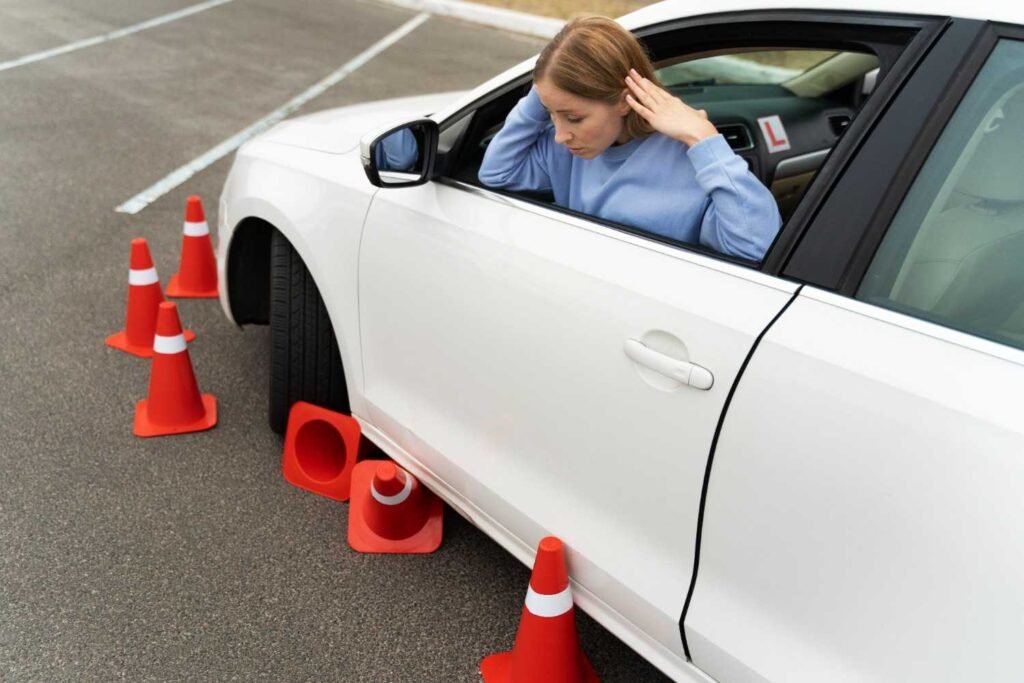
Parallel parking remains one of the most intimidating driving skills for many motorists. Tight urban environments often require drivers to fit into spaces with limited clearance between vehicles.
The fear of misjudging distances or holding up traffic can create anxiety, making the task feel more difficult than it actually is.
Fortunately, parallel parking becomes much easier when broken down into a series of controlled steps.
Choose an Appropriate Space
A common mistake is attempting to park in a space that is too small. Ideally, the available spot should be significantly longer than your vehicle to allow enough room for maneuvering.
Selecting a suitable space reduces stress and increases the likelihood of a successful parking attempt.
Follow a Consistent Technique
Consistency is key when parallel parking. Align your vehicle with the car ahead of the space, reverse slowly while turning appropriately, and make gradual adjustments as needed.
Practicing this process in low-traffic areas can build confidence and improve accuracy over time.
Stay Calm Under Pressure
Traffic and impatient drivers can make parallel parking more stressful. Focus on the task rather than external distractions. Taking a few extra seconds to park correctly is preferable to rushing and risking damage.
Avoiding Parking Lot Accidents
Parking lots may seem less hazardous than roadways, but they present unique safety concerns. Congested traffic patterns, distracted pedestrians, and unpredictable driver behavior contribute to numerous low-speed accidents each year.
Unlike roadways, parking lots often involve vehicles moving in multiple directions simultaneously, increasing the complexity of navigation.
Drive at Appropriate Speeds
Speed is a major factor in parking lot incidents. Driving slowly provides more time to react to unexpected situations and improves overall control.
Reduced speeds are especially important near store entrances, crosswalks, and areas with heavy pedestrian traffic.
Watch for Pedestrians
Pedestrians often move unpredictably in parking lots. Some may walk between parked vehicles, while others may be distracted by phones or shopping activities.
Drivers should remain alert and be prepared to stop at any moment. Maintaining awareness helps protect both pedestrians and drivers.
Anticipate Other Drivers’ Actions
Not all motorists follow parking lot rules consistently. Some may reverse without checking their surroundings or suddenly change direction.
Defensive driving techniques can help compensate for these unpredictable behaviors and reduce the likelihood of collisions.
Preventing Vehicle Damage During Parking

Even minor parking mistakes can result in costly repairs. Scratches, dents, curb damage, and bumper impacts are common issues that often occur during routine parking maneuvers.
Preventing vehicle damage begins with careful planning and deliberate movements.
Maintain Safe Clearance
Always leave sufficient space between your vehicle and surrounding objects. This includes neighboring vehicles, curbs, poles, and landscaping features.
Maintaining adequate clearance not only protects your vehicle but also allows other drivers to enter and exit their spaces comfortably.
Avoid Distractions
Distractions can impair judgment and reduce awareness during parking. Activities such as adjusting controls, using mobile devices, or engaging in conversations can divert attention from important visual cues.
Remaining focused throughout the parking process helps improve accuracy and safety.
Inspect Before Leaving
Before walking away, take a quick look at your parked vehicle. Confirm that it is centered within the space, not obstructing traffic, and positioned safely away from potential hazards.
This simple habit can prevent issues and provide peace of mind.
Building Better Parking Habits
Parking skills improve with practice and consistency. Drivers who develop strong habits are more likely to navigate challenging situations successfully and avoid common mistakes.
Building confidence starts with understanding personal limitations and actively working to improve areas of weakness.
Practice in Different Environments
Each parking situation presents unique challenges. Practicing in various environments, such as parking lots, residential streets, and commercial areas, helps develop adaptability and confidence.
Exposure to different scenarios prepares drivers for real-world conditions and strengthens overall parking abilities.
Prioritize Patience
Many parking mistakes occur because drivers rush. Taking a calm and methodical approach improves decision-making and reduces the likelihood of errors.
Patience allows drivers to assess situations thoroughly and execute maneuvers with greater precision.
Stay Aware of Changing Conditions
Weather, lighting, traffic volume, and parking lot layouts can all affect parking performance. Remaining adaptable and attentive helps drivers respond effectively to changing conditions.
A proactive mindset promotes safer and more successful parking experiences.
Conclusion
Parking is a skill that requires awareness, patience, and consistent practice. From navigating tight spaces and managing limited visibility to avoiding parking lot accidents and preventing vehicle damage, drivers face numerous challenges every day.
By understanding these common obstacles and applying effective parking techniques, motorists can improve safety, reduce stress, protect their vehicles, and minimize the risk of accidents. Developing strong parking habits not only enhances confidence behind the wheel but also contributes to a safer environment for everyone sharing the road and parking areas.