Australia and New Zealand share a peculiar security problem that most of the Northern Hemisphere simply doesn’t face at the same scale — enormous distances between properties, unreliable grid connectivity in rural zones, and a climate that swings between scorching summers and coastal salt air with very little mercy on electronics.
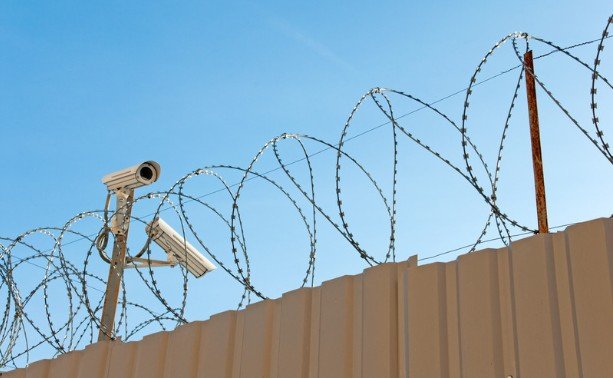
Traditional wired surveillance systems were designed around dense urban infrastructure. Run a cable, plug it in, done. That logic falls apart somewhere around the 50th kilometre outside a major city. This is precisely where solar security cameras for Australia & New Zealand have stopped being a niche product and started becoming a practical default for a significant portion of the market.
The Distance Problem Nobody Budgets For
An electrician in country New South Wales or in the Waikato does not come cheap, nor does one arrive fast. The wiring needed for installing surveillance systems in all outbuildings, sheds, driveway access areas, and fence lines on a rural property would cost more than the cameras themselves. Then there is the wear and tear: rats eat cables, UV damages conduits, and a cable cut means blind spots throughout that entire line.
Solar-powered systems sidestep that entire category of cost and fragility. No trenching. No conduit. No dependence on mains power reaching a location that might be 400 metres from the nearest building.
What that actually unlocks for property owners:
- Placement freedom — cameras can go exactly where coverage is needed, not where power happens to run
- Redundancy — individual camera failures don’t cascade through a shared power circuit
- Faster installation — a single person can mount and configure a solar camera in under an hour
- Lower long-term maintenance — fewer physical failure points means fewer callouts
What the Australian and New Zealand Climate Actually Does to Hardware
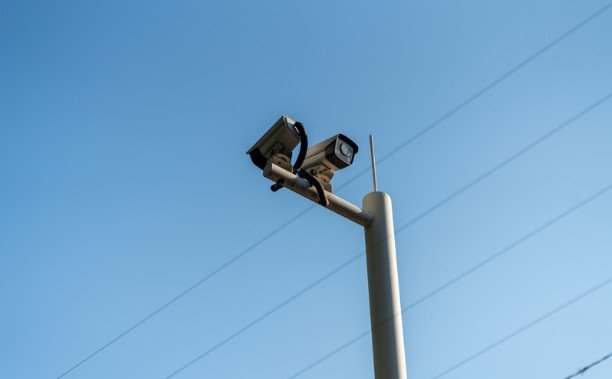
The sun angle in the Southern Hemisphere is different from what European or North American product testing accounts for. A solar panel optimised for a 51-degree latitude in Germany receives meaningfully different irradiance than the same panel sitting at 34 degrees south in Adelaide or 37 degrees south in Auckland.
This is why material selection strategies for engineered products must account for regional sunlight exposure, heat patterns, and long-term performance conditions instead of relying only on results from Northern Hemisphere testing environments.
This matters for one underappreciated reason: charging cycles. A camera that tops up its battery in four hours of Sydney sun might take six or seven in a Christchurch winter. Products not tested for Southern Hemisphere conditions can underperform significantly during the shorter days of June and July, which, inconveniently, is exactly when properties in elevated or rural areas are most vulnerable due to reduced foot traffic and longer nights.
The best solar security cameras for Australia & New Zealand are tested specifically for Southern Hemisphere solar angles and include battery reserves designed around a worst-case winter day at those latitudes — not a midsummer afternoon in California.
Connectivity: The Other Half of the Equation
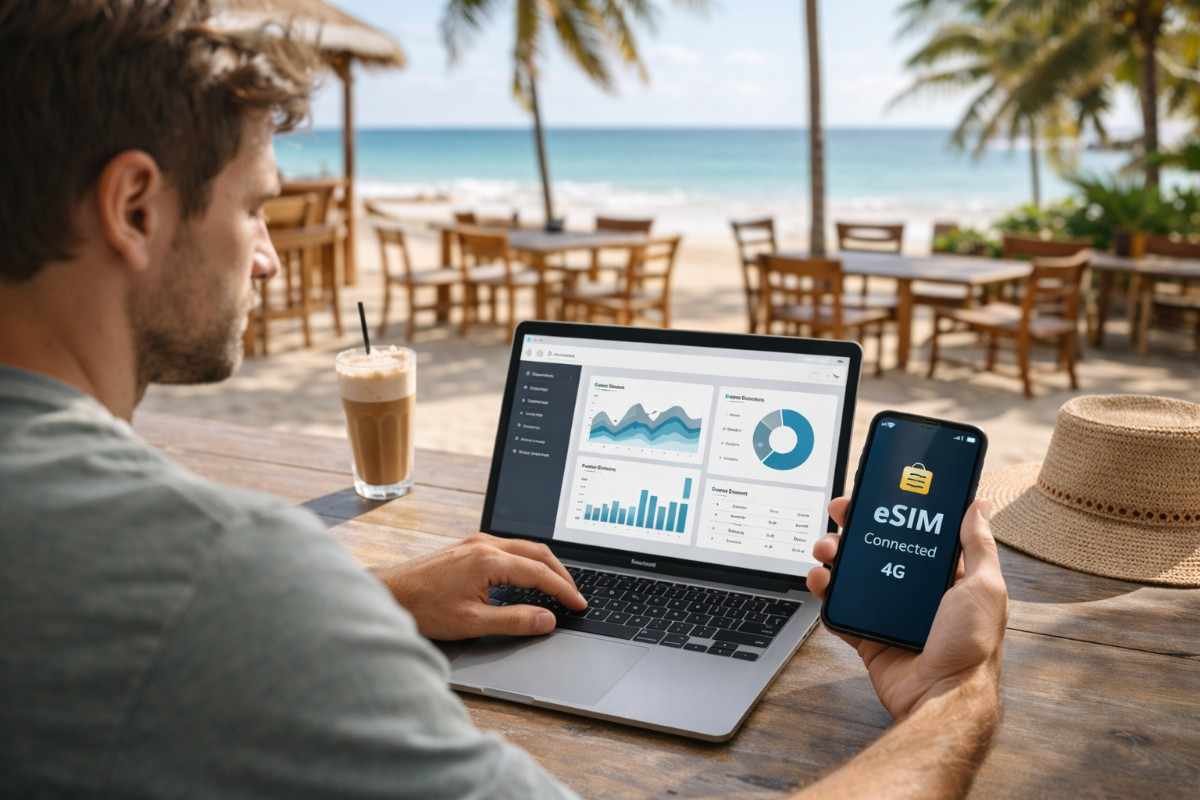
A camera that records locally but can’t transmit anything is only half useful. For remote Australian properties, especially, cellular connectivity often fills the gap where WiFi doesn’t reach.
4G-enabled solar cameras have become increasingly viable as Australian mobile networks have extended coverage into regional areas. The practical setup: the camera captures motion, uploads a clip to cloud storage via 4G, and sends an alert — all without any fixed internet connection at the site.
Considerations worth thinking through before purchasing:
- Which carrier has the best rural coverage for the specific property location — this varies significantly between Telstra, Optus, and Vodafone in Australia, and between Spark and One NZ across New Zealand
- Whether the camera supports dual-SIM or automatic network switching
- Data plan costs for continuous upload vs. event-triggered clip storage
Installation Angles That Most Guides Skip
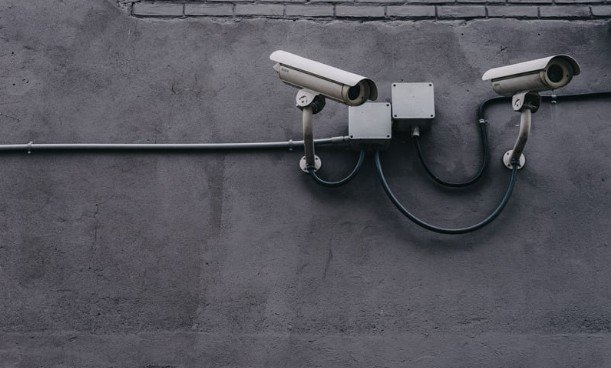
Solar panel positioning is almost always shown as a simple south-facing mount in Northern Hemisphere guides. In Australia and New Zealand, panels face north to maximise solar exposure — a small but critical detail that gets overlooked when following generic installation documentation.
Tilt angle matters too. A flat-mounted panel collects significantly less energy than one angled between 20–35 degrees depending on latitude. For permanent installations, getting this right compounds over thousands of charging cycles.
Remote properties, lifestyle blocks, and rural farms across both countries represent a genuinely underserved security market. The infrastructure that wired systems depend on simply doesn’t exist at the scale these environments require — and solar-powered surveillance, when properly spec’d for the region, fills that gap without compromise.