The Hidden World Beneath Your Smile
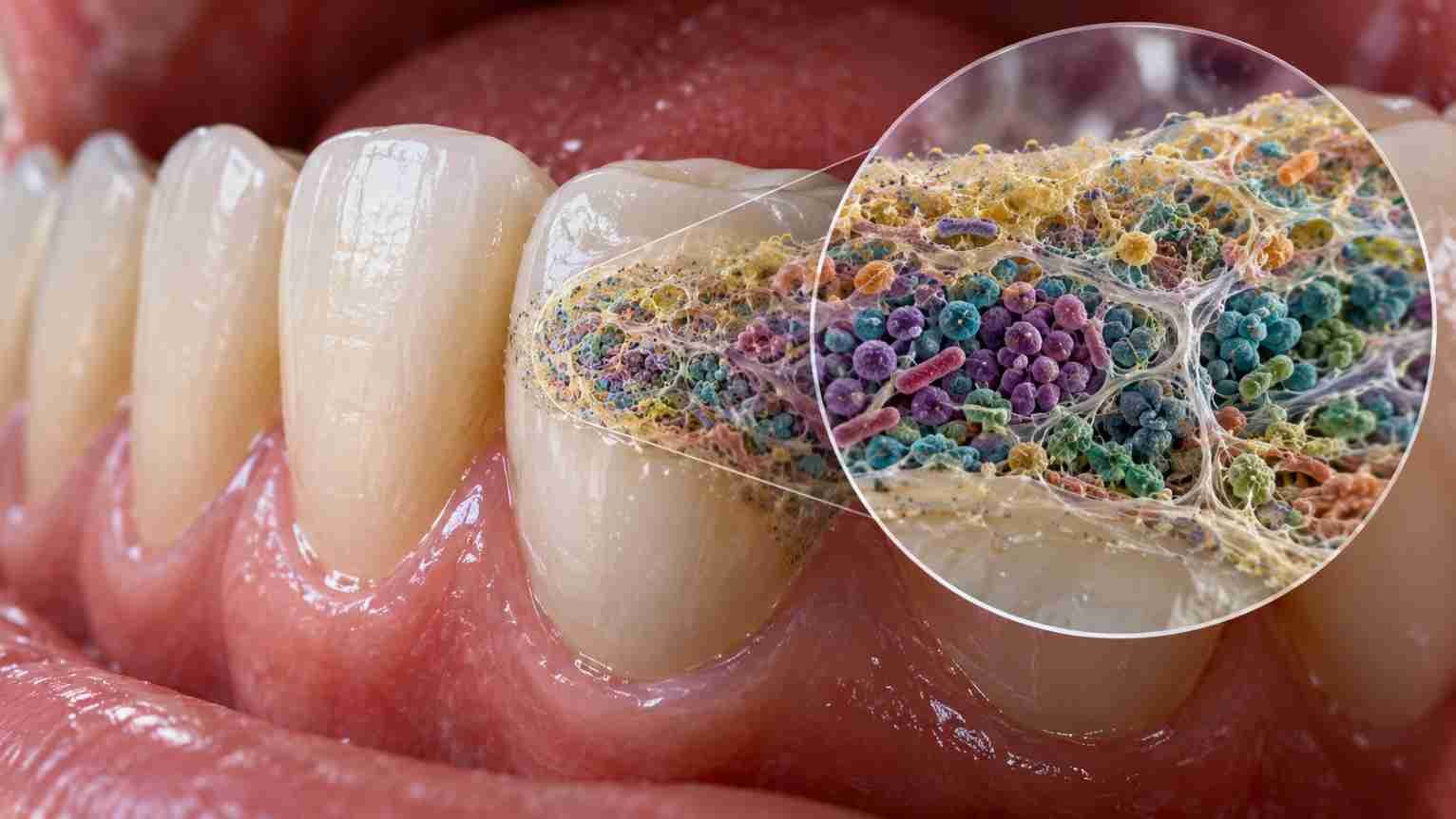
The human mouth harbours one of nature’s most fascinating and intricate ecosystems, rivalling the complexity of a coral reef or rainforest canopy. Dental plaque, often dismissed as merely an unwelcome substance to be brushed away, is actually a thriving biofilm community where hundreds of bacterial species coexist, compete, and collaborate in ways that would impress any ecologist. Understanding this microscopic world offers valuable insights into oral health and the importance of maintaining balance within these microbial communities, with the help of a dentist Thames Ditton.
Within hours of cleaning one’s teeth, pioneering bacterial species begin colonising the tooth surface, establishing the foundation for what will become a sophisticated multi-layered ecosystem. These initial colonisers, primarily streptococci, attach themselves to the pellicle—a protein-rich film that naturally forms on teeth. Much like the first plants taking root in volcanic soil, these bacteria create conditions that allow subsequent species to settle and flourish.
The Architecture of a Bacterial Metropolis
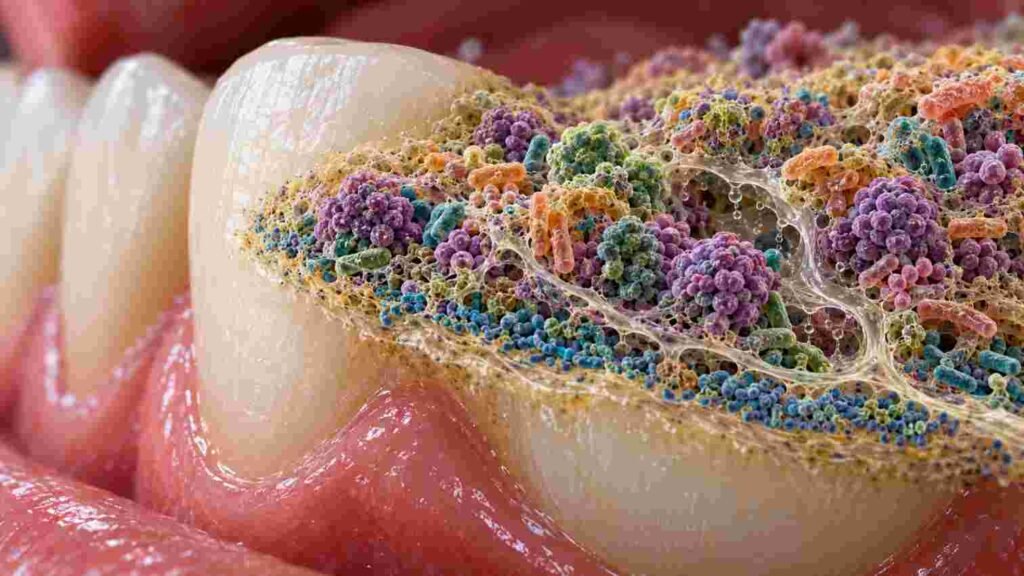
Dental plaque develops through a process called bacterial succession and biofilm maturation, where different species arrive in predictable waves, each preparing the environment for the next. The early colonisers produce adhesive molecules and create microenvironments with varying oxygen levels, pH conditions, and nutrient availability. This architectural complexity allows the community to support an increasingly diverse population.
As the biofilm matures, late colonisers—including species associated with periodontal disease—find suitable niches within the structure. These organisms often cannot attach directly to the tooth surface but instead bind to earlier arrivals, forming bridges and creating the characteristic multi-species clusters. The result is a three-dimensional structure with channels for nutrient flow and waste removal, remarkably similar to the infrastructure of a human city.
Ecological Interactions and Community Dynamics
Competition and Cooperation
The plaque ecosystem demonstrates both competitive and cooperative relationships that determine community composition and health outcomes.
Some bacterial species produce antimicrobial compounds to eliminate competitors, whilst others engage in metabolic cooperation, where the waste products of one species serve as nutrients for another. This intricate web of interactions maintains ecosystem stability under normal conditions.
When this microbial balance is disrupted, harmful bacteria can gain an advantage and contribute to oral infections. Understanding what causes tooth infections can help explain how bacterial changes within the oral environment may eventually lead to disease.
The Role of Keystone Species
Just as wolves regulate deer populations in Yellowstone, certain bacterial species exert disproportionate influence on plaque communities.
Porphyromonas gingivalis, for instance, can dramatically alter the local environment, shifting the ecosystem from a health-associated state to one conducive to disease. These keystone pathogens manipulate immune responses and create conditions that favour other pathogenic species, demonstrating how ecological principles apply directly to oral health.
Environmental Factors Shaping the Oral Ecosystem
The mouth presents a dynamic environment where saliva flow, dietary intake, and pH fluctuations constantly challenge the plaque community. Saliva acts as a regulatory force, delivering antimicrobial compounds, buffering acids, and providing nutrients.
When individuals consume fermentable carbohydrates, acid-producing bacteria gain a competitive advantage, lowering the pH and potentially shifting the ecosystem towards a cariogenic state. Understanding the ecological balance of oral bacteria helps explain why dietary habits profoundly impact dental health.
The concept of ecological resilience applies equally to dental plaque as it does to natural ecosystems. A diverse, balanced microbial community can resist perturbations and return to a healthy state following disturbances. However, repeated insults—such as frequent sugar consumption or inadequate oral hygiene—can push the ecosystem past a tipping point, resulting in dysbiosis and disease.
Understanding emerging research into the science of tooth regeneration also highlights how researchers are exploring the body’s natural capacity to repair and regenerate dental tissues.
Maintaining Ecosystem Balance for Optimal Oral Health
Professional dental care plays a crucial role in managing these complex microbial communities. Regular visits to a dental team residents trust can help monitor ecosystem health and intervene before dysbiosis leads to cavities or periodontal disease.
For patients who have lost teeth, understanding when dentures are necessary and how dentists assist patients can also help them make informed decisions about restoring oral function and maintaining their overall oral health.
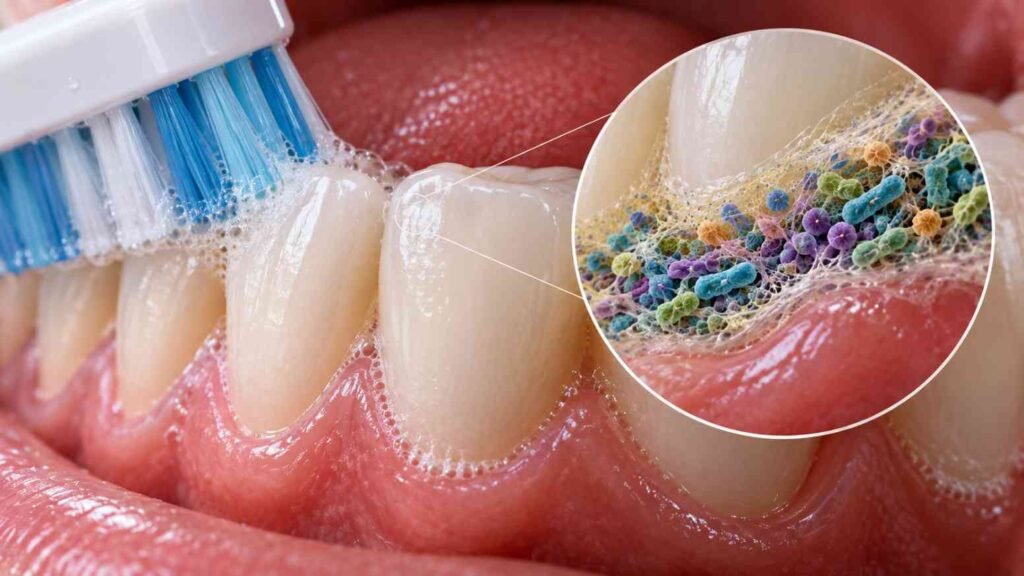
Mechanical disruption through brushing and flossing prevents excessive biofilm accumulation, whilst professional cleanings remove calcified deposits that harbour pathogenic species.
Modern approaches to oral care increasingly recognise that the goal is not sterilisation but rather maintaining a balanced ecosystem. The oral microbiome functions optimally when health-associated species predominate, suppressing potential pathogens through competitive exclusion and maintaining environmental conditions that discourage disease development.
Final Thoughts on Oral Ecosystems
Viewing dental plaque through an ecological lens transforms our understanding of oral health from a simple battle against bacteria to a nuanced appreciation of ecosystem management.
This perspective emphasises prevention, balance, and the importance of supporting beneficial microbial communities rather than attempting to eliminate all bacteria. By respecting the complexity of these microscopic ecosystems, individuals can make informed decisions that promote long-term oral health and overall wellbeing.