
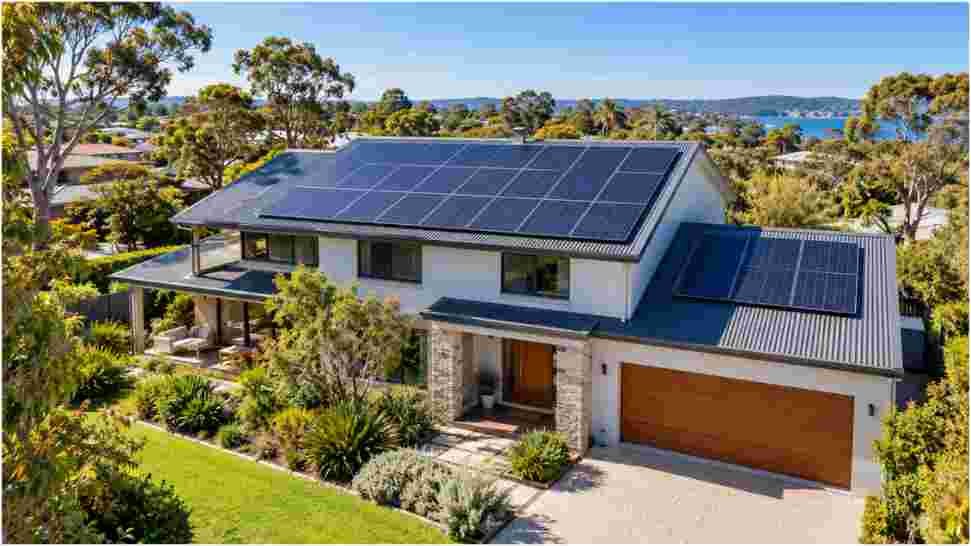
As energy costs continue to rise and environmental concerns become increasingly important, many homeowners are considering alternatives to traditional power sources. One of the most effective and sustainable options available today is the installation of residential solar panels. These systems provide numerous advantages that benefit both the environment and the household budget.
Reducing Energy Bills
The principal advantage of residential solar panels is their ability to significantly reduce electricity bills. By generating electricity from sunlight, homeowners can rely less on grid-supplied power, which is often costly and subject to price fluctuations. While issues like how delayed hvac repairs can raise energy costs can strain a household budget, solar generation helps offset heavy seasonal cooling and heating loads. Once installed, solar panels produce energy at no additional cost, thus leading to substantial savings over time.
Environmental Impact
Residential solar panels contribute to the reduction of greenhouse gas emissions. Traditional power generation often depends on fossil fuels that emit carbon dioxide and other pollutants. Solar panels, by contrast, produce clean, renewable energy without generating harmful emissions, making them an environmentally responsible choice for home energy needs.
Energy Independence and Security
Installing solar panels empowers homeowners to achieve a greater degree of energy independence. By relying on their own energy production, they become less vulnerable to power outages and unpredictable price rises. This energy autonomy also allows for better planning and control over household energy use.
Increase in Property Value
Houses equipped with residential solar panels often experience an increase in market value. Prospective buyers are aware of the long-term savings and environmental benefits associated with solar energy, making such properties more attractive and potentially easier to sell.
Government Incentives and Support
Many governments provide financial incentives to encourage the adoption of solar energy. These may include rebates, tax credits, or feed-in tariffs that compensate for surplus energy fed back into the grid. Such support significantly reduces the upfront cost of solar panel installation, improving the return on investment.
Technological Advances
Current advancements in solar technology have enhanced the efficiency and durability of residential solar panels. Modern systems are more effective at capturing sunlight and converting it into electricity, even in low-light conditions. These innovations ensure that homes benefit from reliable and consistent energy generation throughout the year.
Low Maintenance Requirements
One common question regards the upkeep of solar panels. Generally, residential solar panels require minimal maintenance. Regular cleaning to remove dust and debris is usually sufficient. Many manufacturers offer long-term warranties guaranteeing performance for 25 years or more, providing peace of mind to homeowners.
Compatibility with Battery Storage
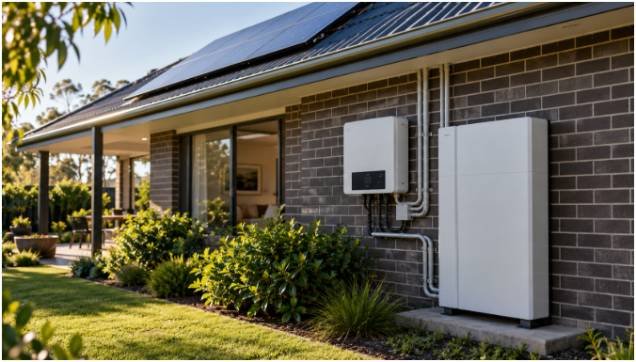
Solar panels can be paired with battery storage systems to enhance their utility. Batteries store excess energy generated during the day for use at night or during power outages. This combination further increases energy independence and maximises the financial and environmental returns of solar installations.
Grid Support and Community Benefits
In addition to individual savings, residential solar panels contribute to the overall stability of the energy grid. By reducing demand during peak periods and supplying excess energy back to the network, solar-equipped homes support a more resilient and sustainable energy infrastructure. This collective benefit helps communities reduce reliance on fossil fuels.
Financial Considerations and Payback Period

While the initial cost of installing residential solar panels can be considerable, the long-term savings generally outweigh this expense. The payback period varies depending on factors such as location, system size, and energy consumption but typically ranges from 5 to 10 years. After this period, homeowners effectively receive free electricity from their systems.
Customization and Scalability
Residential solar installations are highly customizable to suit individual household needs. System sizes can be scaled to match the energy consumption patterns of a particular home. Additionally, panels can be integrated with other energy-efficient measures such as smart meters, hydrotherm heat pumps, and energy management systems to optimise performance.
Positive Impact on Energy Awareness
By adopting solar power, homeowners become more conscious of their energy usage and sustainability practices. This awareness often encourages the adoption of other energy-saving measures, such as LED lighting or improved insulation, creating a holistic approach to reducing environmental impact and household costs.
Choosing the Right System
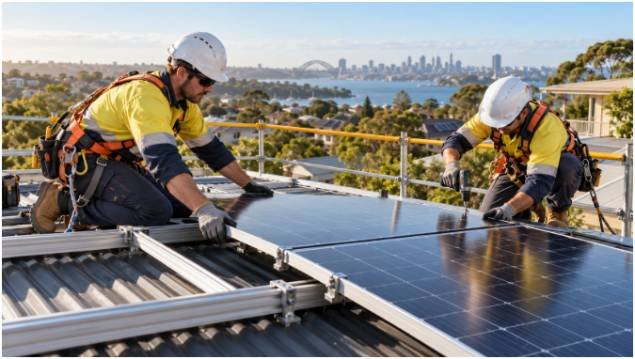
Selecting an appropriate solar panel system involves assessing the home’s energy requirements, roof orientation, and local climate. Consulting with professional installers ensures the choice of the best technology and configuration, maximising the benefits returned by the investment.
Conclusion
The installation of residential solar panels offers substantial advantages, including reduced energy bills, environmental benefits, increased property value, and enhanced energy independence. With advances in technology and supportive government programs, solar power is becoming an accessible and worthwhile investment for homeowners. Careful planning and professional guidance can help maximise the efficiency and return on investment from solar energy systems, making them an integral component of sustainable modern living.


