
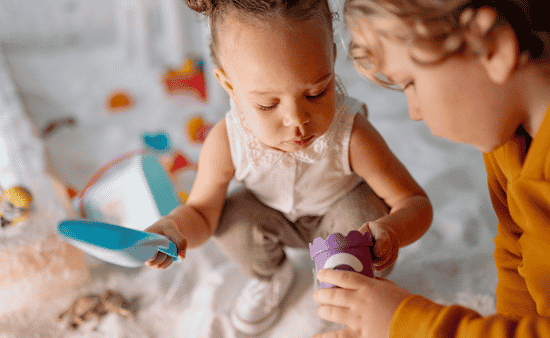
The transition from a relatively stationary infant to a whirlwind toddler is one of the most exhilarating—and exhausting—phases of parenthood. Often characterized by a newfound sense of independence, rapid linguistic growth, and the occasional (or frequent) public meltdown, the toddler years are a masterclass in managing beautiful chaos.
While it may feel like you are simply surviving from one nap time to the next, this period is a critical window for developmental milestones that set the stage for future success.
Understanding the Developmental Shift
Toddlers are essentially tiny scientists, constantly testing the boundaries of their physical world and the patience of their caregivers. Between the ages of two and four, children experience significant evolution in their attention spans, communication styles, and motor skills. A two-year-old may communicate primarily through gestures and short phrases, while a four-year-old is often capable of complex storytelling and following multi-step directions.
This growth is supported by environments that offer individualized attention and support tailored to these specific needs. Recognizing that these differences matter for learning success allows parents and educators to implement teaching strategies that meet the child exactly where they are.
The Power of Play-Based Discovery
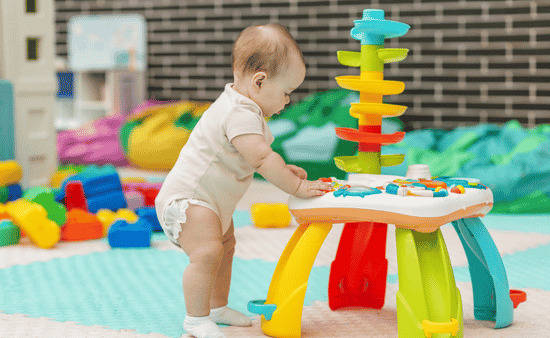
In the midst of the chaos, it is important to remember that for a toddler, play is serious work. Research indicates that a play-based approach to learning is one of the most effective ways to help young children develop essential social, communication, and problem-solving skills. By engaging in hands-on experiences, children learn to navigate their emotions and interact with their peers in a structured yet flexible setting.
For families looking to transition from the home environment to a more social one, choosing a high-quality program is essential. When exploring options for your child’s first formal educational experience, a preschool in Saratoga Springs can provide a nurturing environment that balances academic concepts—like letters, numbers, and shapes—with the play-based exploration that toddlers crave.
Customizing for Unique Learning Styles
No two toddlers are exactly alike, and their learning journeys shouldn’t be either. Some children are visual learners who thrive on bright colors and illustrations; others are auditory learners who connect through music and storytelling; and many are kinesthetic learners who need to touch and move to truly understand a concept.
Understanding these differences helps parents choose activities that match their child’s natural strengths while encouraging growth in other areas. How Kids Learn to Talk is also closely connected to the way they learn. Toddlers build language skills by listening to conversations, hearing stories, singing songs, imitating sounds, and interacting with the people around them.
The more opportunities children have to communicate through play, reading, and everyday experiences, the more confidently they develop their vocabulary, comprehension, and speaking abilities.
Effective early education programs customize activities to suit these varying learning styles. For instance, fine motor skills can be developed through arts and crafts, while gross motor skills are honed during outdoor play. By providing a variety of themed lessons and activities, caregivers can keep young minds engaged and motivated, fueling a lifelong enthusiasm for knowledge.
Establishing Routines to Tame the Chaos
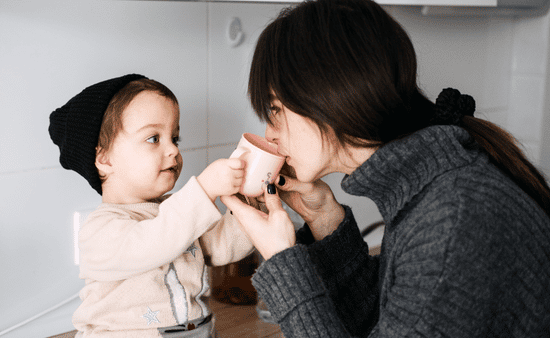
While toddlers seem to thrive on spontaneity, their brains actually crave the security of a predictable routine. Establishing consistent patterns for meals, naps, and bedtime helps children feel safe and reduces the frequency of power struggles.
Transitions can be particularly difficult for toddlers. Providing a “warning” before shifting from playtime to cleanup time, or using visual schedules, can help them navigate these changes with less friction. Professional programs often mirror this by offering a structured schedule that includes a balance of education, recreation, and rest.
Building a Community of Support
Survival in the toddler years often depends on the strength of your community. Early education centers serve as more than just a place for learning; they are hubs where parents, teachers, and children come together to support collective growth.
Engaging in these communal environments helps children develop a sense of belonging and teaches them the value of teamwork. For parents, having a reliable support system—whether it’s through professional childcare or a local parenting group—provides the reassurance that you aren’t navigating the chaos alone.
Finding the Rhythm
Thriving in the toddler years isn’t about eliminating the chaos; it’s about finding a rhythm within it. By embracing play-based learning, respecting your child’s unique developmental pace, and leaning into a supportive community, you can turn these challenging years into a foundation for a well-rounded and confident individual. Every spilled cup of juice and every “why?” is simply a stepping stone in a lifelong journey of discovery.