

Understanding Severe Dental Misalignment
A healthy bite is more than just straight teeth—it’s about how your upper and lower jaws work together when you chew, speak, and rest your mouth. When this balance is disrupted, it leads to what dentists call severe dental misalignment. This condition can range from noticeable overbites and underbites to complex jaw positioning issues that affect daily life.
While mild cases may only cause cosmetic dentistry, severe bite problems often interfere with function and comfort. Over time, they can even contribute to jaw pain, uneven tooth wear, headaches, and difficulty eating certain foods.
Common Causes of Bite Problems
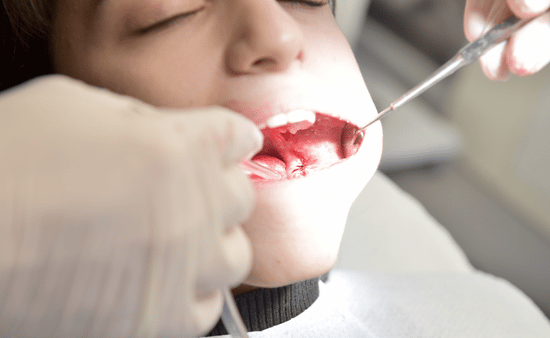
Severe dental misalignment can develop for several reasons. Genetics is one of the most common factors—jaw size and tooth alignment patterns are often inherited. Childhood habits like thumb sucking, prolonged pacifier use, or tongue thrusting can also influence how the bite develops.
In some cases, injury or trauma to the jaw may shift alignment. Missing teeth that are not replaced can also cause surrounding teeth to drift, creating imbalance in the bite. Additionally, long-term jaw growth differences between the upper and lower jaws can lead to more pronounced misalignment as a person matures.
Signs You May Have a Severe Bite Issue
Not all bite problems are immediately obvious. However, there are several signs that may indicate a more serious condition:
- Difficulty biting or chewing evenly
- Frequent biting of the cheeks or tongue
- Jaw pain or clicking sounds when opening the mouth
- Teeth that appear crowded, crooked, or protruding
- Speech difficulties in some cases
- Uneven wear on teeth surfaces
If these symptoms persist, it’s important to seek professional evaluation before the condition worsens.
How It Affects Daily Life

Severe bite misalignment goes beyond appearance. Many individuals experience chronic discomfort in the jaw joint, known as TMJ strain. This can lead to tension headaches, neck pain, and even difficulty sleeping.
Emotionally, the impact can also be significant. People may feel self-conscious about their smile or avoid social situations due to embarrassment. Eating certain foods, especially hard or chewy items, may also become uncomfortable or painful.
Treatment Options for Severe Bite Problems
Fortunately, modern dentistry offers several effective solutions depending on the severity of the condition. Orthodontic treatments such as braces or clear aligners are often the first step in correcting alignment. These gradually shift teeth into better positions over time.
For more complex cases involving jaw structure, orthodontics alone may not be enough. In such situations, surgical correction may be recommended. For example, jaw surgery in Richmond Indiana is sometimes considered for patients with significant skeletal misalignment, helping reposition the jaws for improved function and balance.
Other supportive treatments may include tooth extractions, dental restorations, or the use of specialized appliances to guide jaw development.
When to Seek Professional Help

If you suspect a severe bite issue, early consultation with a dental specialist is key. Delaying treatment can allow the condition to worsen, making correction more complex later in life. A thorough examination, including X-rays and bite analysis, can help determine the best treatment approach.
Children especially benefit from early orthodontic evaluation, as guiding jaw development during growth stages can reduce the need for invasive procedures later on.
Moving Toward a Healthier Bite
Correcting severe dental misalignment is not just about improving appearance—it’s about restoring comfort, function, and long-term oral health. With today’s advanced dental techniques, even complex bite issues can be successfully managed.
Whether through orthodontic adjustments or surgical intervention, addressing the problem early can significantly improve quality of life and prevent future complications.