

Between late-night study sessions, campus dining hall food, and the stress of deadlines, your skin takes a beating during your student years. Yet skincare is often the last thing on a student’s mind. The result? A handful of habits that seem harmless in the short term but can cause lasting damage.
Here are seven of the most common skincare mistakes students make—and what to do instead.
1. Skipping Sunscreen
This is perhaps the most common skincare mistake across all age groups, but students are especially prone to it. Many assume sunscreen is only necessary at the beach or on sunny days. In reality, UV rays penetrate clouds and windows, meaning your skin is exposed even on overcast days or during your commute to class.
Dermatologists recommend applying a broad-spectrum SPF 30 or higher every single morning, regardless of the weather. Make it easier by choosing a moisturizer with built-in SPF—one less step, same protection.
2. Over-Washing Your Face
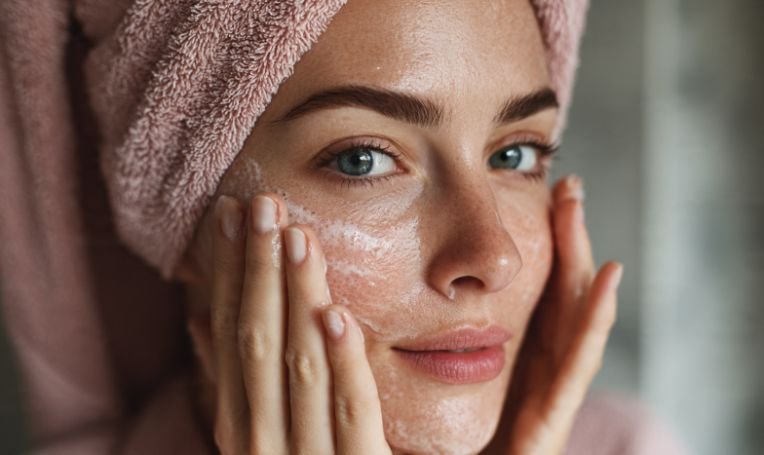
Washing your face feels productive, especially after a long day. But doing it too frequently—or using harsh cleansers—strips your skin of its natural oils, triggering excess oil production and breakouts. Most students fall into this trap when trying to combat acne.
Stick to cleansing twice daily: once in the morning and once before bed. Use a gentle, pH-balanced cleanser that cleans without disrupting your skin’s natural barrier.
3. Popping Pimples
It’s tempting, but popping pimples almost always makes things worse. It pushes bacteria deeper into the skin, increases inflammation, and significantly raises the risk of scarring—marks that can stick around for years.
Instead, apply a targeted spot treatment containing benzoyl peroxide or salicylic acid. If breakouts are persistent or severe, it’s worth consulting a dermatologist in Cottonwood Heights who can recommend treatments tailored to your skin type.
4. Not Moisturizing (Especially if You Have Oily Skin)
A common misconception among students with oily or acne-prone skin is that moisturizer will make things worse. The truth is the opposite. When your skin is dehydrated, it overproduces oil to compensate—worsening the very problem you’re trying to avoid.
Choose a lightweight, non-comedogenic moisturizer that hydrates without clogging pores. Look for ingredients like hyaluronic acid or niacinamide, both of which hydrate and soothe without adding grease.
5. Sleeping in Makeup
After a long day—or a late night out—removing your makeup feels like a monumental task. But leaving it on overnight clogs pores, traps pollutants against your skin, and disrupts your skin’s natural overnight repair process. Over time, this habit accelerates skin aging and worsens breakouts.
Keep a pack of gentle micellar water wipes on your bedside table for those nights when a full cleanse feels out of reach. It takes 30 seconds and makes a significant difference.
6. Using Too Many Products at Once

Student skincare routines often swing between two extremes: doing nothing and overdoing it. Trying five new products at once makes it impossible to identify what’s helping—or what’s causing a reaction.
Build your routine gradually. Start with the basics: a gentle cleanser, a moisturizer, and sunscreen. Once your skin has adjusted, introduce one new product at a time and wait at least two weeks before adding another.
7. Ignoring Changes in Your Skin
Students are busy, and changes in their skin—new moles, persistent redness, unusual dryness—often go unnoticed or ignored. Some of these changes are harmless, but others can be early indicators of conditions that require professional attention.
Make a habit of checking your skin regularly. If you notice a mole that has changed in size, shape, or color, or a spot that doesn’t heal, don’t put off getting it looked at. Catching potential issues early is always the better outcome.
Build Better Habits Now
Your skin in your 20s sets the tone for how it will look and feel for decades to come. The good news is that most of these mistakes are easy to correct with a few simple pillars of health optimisation of your skin. You don’t need an elaborate routine or expensive products—consistency with the basics goes a long way. Start small, stay consistent, and your skin will thank you for it.