
As someone who has spent years researching feline behavior, I can tell you that the question “why do cats like catnip?” opens the door to one of the most entertaining and scientifically intriguing aspects of cat biology. Catnip doesn’t just make cats act silly—it taps into neurological pathways, evolutionary instincts, genetic predispositions, and even insect-repellent defense mechanisms.
It’s a sensory experience that ignites deep-rooted feline responses, shaped over thousands of years. Understanding this reaction gives us insight into how cats process emotion, scent, and stimulation on a biological level.
What Exactly Is Catnip?
Catnip (Nepeta cataria) is an herb from the mint family. When crushed or bruised, it releases an essential oil containing nepetalactone, the active compound responsible for behavioral reactions.
What makes catnip special is not its flavor or texture—but its aroma, which cats detect through their highly advanced scent-processing system.
The Science: How Catnip Works on a Cat’s Brain
Here’s where things get fascinating.
When a cat sniffs catnip:
- Nepetalactone molecules enter the nasal passages
- They bind to olfactory receptors
- Signals are transmitted to:
- The amygdala — controls emotional reaction
- The hypothalamus — controls instinctual behavior
This interaction triggers the release of beta-endorphins, the brain’s natural opiates. The result is a short-lasting euphoria, with effects lasting 5–15 minutes.
Why It Mimics Feline Sexual Pheromones
Researchers have discovered that nepetalactone resembles certain pheromones associated with mating behavior. This explains why both male and female cats can display:
- rolling
- rubbing
- purring
- “flirtatious” or affectionate behavior
How Cats Behave on Catnip
Different cats respond differently, but most show some combination of:
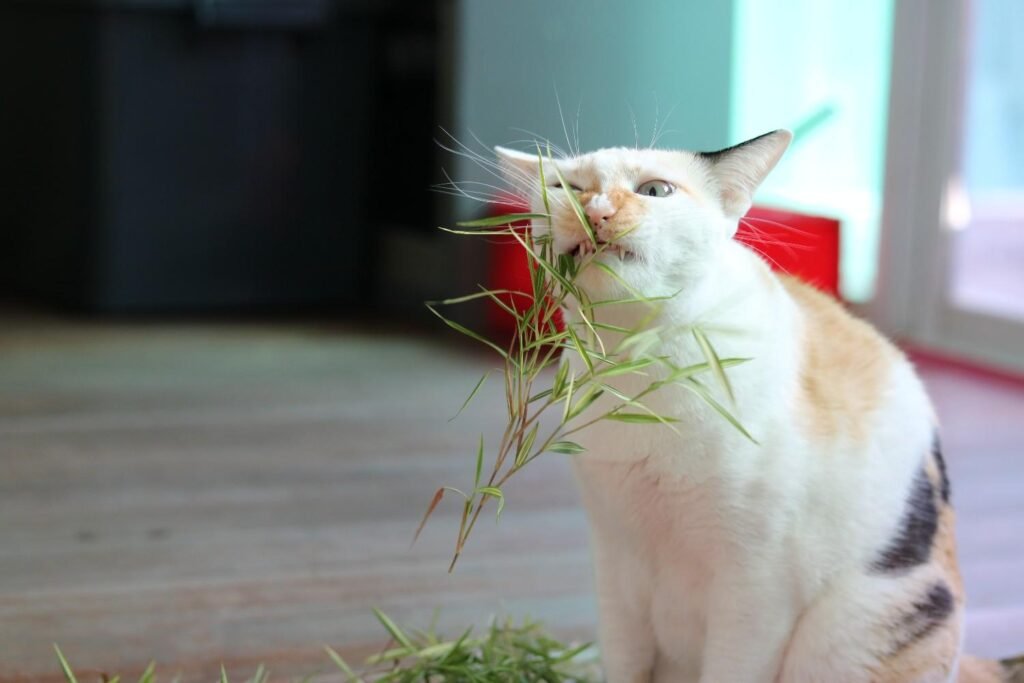
- sniffing and licking
- biting or chewing
- rolling and flopping
- rubbing their body or face on objects
- zoomies or playful outbursts
- meowing or chirping
- drooling
- followed by a period of calm or relaxation
Interestingly:
- Smelling catnip → causes excitement and hyperactivity
- Eating catnip → has a calming, soothing effect
So catnip is both a feline stimulant AND sedative—depending on the method of interaction.
Genetic Sensitivity: Why Some Cats Don’t Respond
Not every cat responds to catnip, and this is crucial.
- 70% of cats have a reaction
- 30% are completely unaffected
Sensitivity is inherited. If the gene is absent, catnip simply smells like a plant—nothing special.
Age also matters:
- kittens under 3–6 months have no response
- senior cats may respond less intensely over time
Big cats such as lions, leopards, and jaguars can also react—suggesting that the trait predates domestication.
Catnip vs Alternatives: Which Works Best?
If your cat is among the 30–40% non-responders, there are alternatives that trigger similar reactions.
Here’s a helpful comparison:
| Substance | Percentage of Cats Who Respond | Type of Reaction | Notes |
| Catnip | ~70% | Excitement or relaxation | Genetic sensitivity required |
| Silver vine | ~80–90% | Strongest euphoric response | Often works on catnip-immune cats |
| Valerian root | ~50–70% | Playful + stimulation | Has an earthy smell some owners dislike |
| Tatarian honeysuckle | ~60–70% | Similar to catnip | Works better for some non-catnip cats |
Silver vine is especially potent—many cats who ignore catnip go wild for it.
The Evolutionary Purpose: A Natural Pest Repellent
Recent research suggests something remarkable:
Catnip is not just for fun, nepetalactone repels insects such as:
- mosquitoes
- flies
- cockroaches
Cats rolling in catnip may originally have been a natural insect-defense behavior, coating themselves with plant oils for pest protection.
In nature, a mosquito-free cat has a survival advantage.
Is Catnip Safe? Can Cats Have Too Much?
Catnip is completely:
- safe
- non-addictive
- non-toxic
Cats cannot overdose on it in a dangerous way.
However, too much ingestion may cause:
- mild vomiting
- soft stools
- temporary lethargy
Best guideline: Let your cat initiate the interaction—and walk away when done. They will self-regulate
How Often Can You Give a Cat Catnip?
A general recommendation is:
- no more than once every 2–3 days
Why? Because cats can temporarily become desensitized to catnip. Using it too often reduces the effect. Give them time to “reset” their receptors.
Best Forms of Catnip for Cats
Catnip comes in multiple forms:
- fresh leaves
- dried loose catnip
- compressed catnip toys
- catnip sprays
- catnip bubbles
- catnip-infused scratching mats
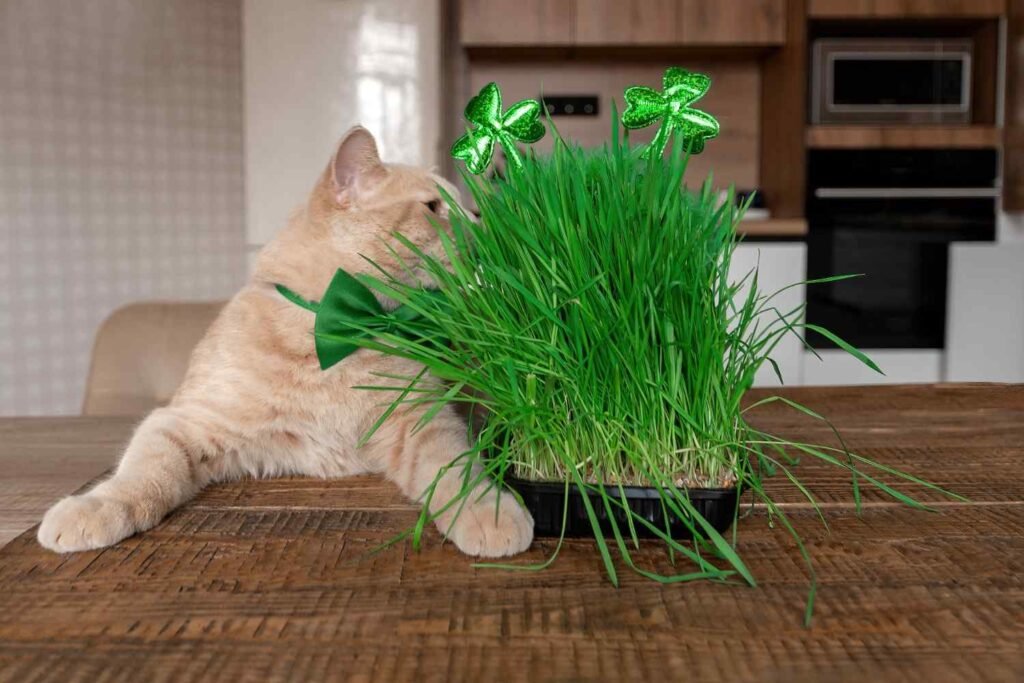
Fresh catnip tends to be strongest, while sprays are milder and great for training—like encouraging scratching-post use over couch-scratching.
Frequently Asked Questions
1. Do all cats like catnip?
No. About 30–40% of cats do not respond due to genetics.
2. At what age do cats start reacting to catnip?
Usually after 3–6 months of age. Kittens are immune until then.
3. Is catnip bad or addictive?
Not at all. It is safe, non-toxic, and non-habit-forming.
4. Can I give my cat catnip daily?
You can, but it’s better to space sessions by a couple of days to preserve the effect.
5. Why does my cat get aggressive on catnip?
Some cats experience high stimulation and may become possessive of toys. It’s not aggression—it’s overstimulated play behavior.
6. Can catnip help calm anxious cats?
Yes, if ingested or consumed, catnip can act as a mild sedative.
Final Thoughts: Why Do Cats Like Catnip?
Understanding why cats like catnip reveals a powerful intersection of biology, genetics, and evolutionary behavior. For many cats, catnip is a harmless and enjoyable sensory experience that provides stimulation, entertainment, relief from boredom, and even natural insect protection.
As an expert in feline behavior, I recommend using catnip as a form of enrichment—not as a constant stimulant. Introduce it occasionally, observe your cat’s individual reactions, and enjoy the fascinating window it offers into your cat’s emotional and neurological world.