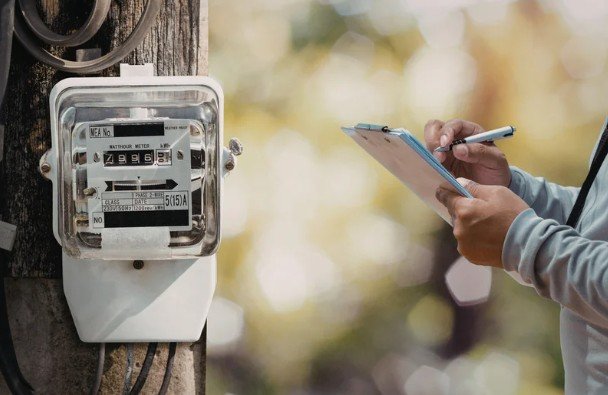
Electricity bills can be one of the most unpredictable household expenses. Whether you live in a spacious home or a cozy apartment, the cost of powering your space can vary greatly. However, with the right strategies, you can take control and significantly reduce your monthly utility bills.
By making energy-efficient changes and adopting simple habits, you can make a noticeable impact. These easy-to-follow tips will help you save money and improve your energy use. Let’s dive into practical ways to lower your electricity costs.
Why Your Electricity Bill Is High
Before jumping into the tips, it’s important to understand why your electricity bill is high in the first place. A variety of factors contribute to elevated electricity costs:
- Inefficient appliances: Older or energy-hungry appliances consume far more energy than modern, energy-efficient alternatives.
- Wasted energy: Leaving lights on, keeping the thermostat too high, or having standby power on electronics can all contribute to unnecessary energy use.
- Insufficient insulation: Poorly insulated homes can cause your heating and cooling systems to work overtime, leading to higher energy consumption.
Now that we know the reasons, let’s explore ways to reduce your electricity bill.
1. Switch to LED Lighting
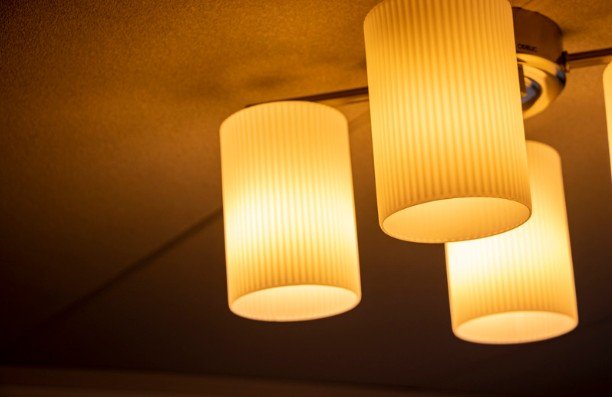
One of the easiest ways to lower your utility electricity bills is by replacing incandescent bulbs with LED lights. LEDs use at least 75% less energy and last 25 times longer than traditional bulbs. The upfront cost is higher, but the long-term savings are substantial.
2. Upgrade to Energy‑Efficient Appliances
Outdated appliances like refrigerators, air conditioners, and washing machines can use a lot of power. When it’s time to replace old appliances, look for those with an ENERGY STAR label, which means they meet high energy efficiency standards. These upgrades may cost more upfront, but they can save you hundreds of dollars over the years in energy costs.
3. Seal Gaps & Insulate Your Home
Many homes suffer from drafts and air leaks, which make heating and cooling less efficient. Check around windows, doors, and ducts for gaps. Sealing these gaps and adding insulation can reduce energy waste, allowing your HVAC system to work more efficiently.
4. Unplug Electronics When Not in Use
Even when electronics like TVs, computers, and chargers are turned off, they still draw electricity. This is called phantom load. Unplugging devices when you’re not using them or using a power strip to turn off multiple devices at once can save you a significant amount.
5. Use a Smart Thermostat
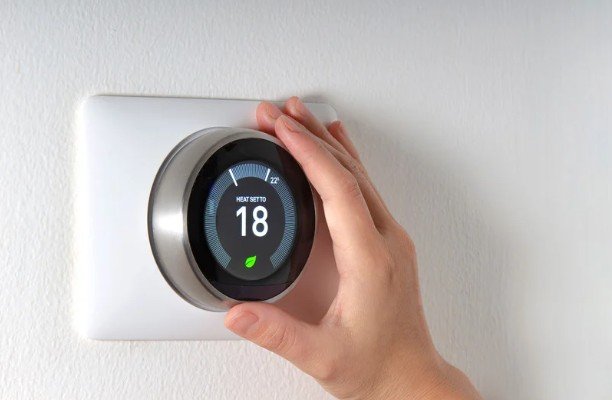
A smart thermostat can adjust the temperature in your home automatically based on your schedule. By programming it to lower the temperature when you’re not at home or while you sleep, you can save a lot on heating and cooling costs. Many models also give you detailed energy reports to help you optimize usage.
6. Change Air Filters Regularly
Dirty air filters in your heating, ventilation and air conditioning system (HVAC) can cause it to work harder than necessary. Replace or clean your filters regularly to ensure proper airflow and improve your system’s efficiency, especially in climate-controlled storage units or living spaces where temperature consistency matters.
7. Wash Clothes in Cold Water
Washing clothes in hot water uses a significant amount of energy. Switch to cold water for washing most loads, and you’ll notice a decrease in your energy consumption. Cold water detergents are widely available and just as effective. If you’re storing clothes in a climate-controlled storage unit, washing in cold water helps maintain fabric quality and save energy.
8. Line Dry Clothes When Possible
Rather than using the dryer, hang clothes to dry when the weather allows. This simple change can reduce the energy used by your dryer and save you money in the long run. Additionally, line drying clothes, especially when you’re preparing seasonal items for a climate-controlled storage unit, can preserve their integrity while saving energy.
9. Use Energy-Efficient Power Strips
Plugging multiple devices into one power strip can reduce energy use by allowing you to switch off everything with the flick of a button. Some power strips even have automatic shutoff features that can sense when devices are in standby mode and cut off power completely.
10. Adjust Water Heater Temperature
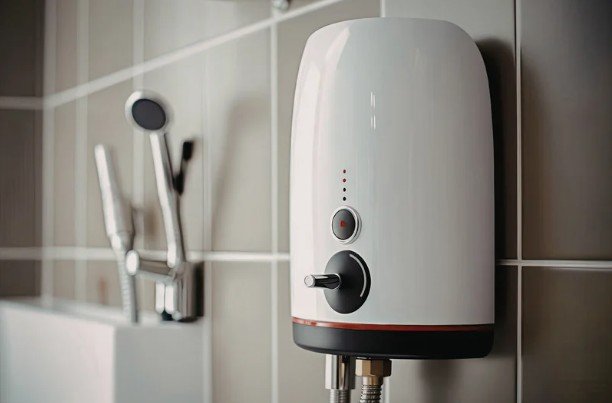
Lowering the temperature on your water heater from 140°F to 120°F can save you up to 10% on your energy bill. It’s still hot enough for showers and washing dishes, but the energy savings add up over time.
11. Install Solar Panels
If you live in an area with plenty of sun, investing in solar panels is a great way to reduce your reliance on grid electricity. While the initial cost is high, solar energy can drastically lower your utility electricity bills and even provide long-term savings.
12. Use Natural Light
During daylight hours, make use of natural light by opening curtains and blinds. This can help reduce the need to turn on lights, saving energy throughout the day.
13. Opt for Smart Power Management
Invest in smart appliances, smart bulbs, and smart plugs that can help you manage your energy usage more effectively. For example, you can set smart plugs to turn off at specific times, ensuring that electronics are not consuming energy unnecessarily.
14. Insulate Your Water Heater
Water heaters are a major energy consumer, and insulating them can prevent heat loss, making them more efficient. Insulate a water heater tank as an inexpensive solution that can help save energy.
15. Consider Renewable Energy Alternatives

Aside from solar, there are other renewable energy options like wind and geothermal heating and cooling. If you’re looking for a long-term solution, you might want to explore these options, as they can drastically reduce your dependence on grid electricity.
Frequently Asked Questions
1. How much can I save on my electricity bill by upgrading to energy-efficient appliances?
Upgrading to energy-efficient appliances can save you between 10–50% annually, depending on the type of appliances and how much you use them.
2. Are smart thermostats worth the investment?
Yes, smart thermostats can save you around 10–15% annually on heating and cooling costs by optimizing your home’s temperature based on your lifestyle.
3. Do LED lights really make a big difference?
Absolutely! LED lights use at least 75% less energy than incandescent bulbs, and they last much longer, saving you money over time.
4. Can sealing my home really lower my utility electricity bills?
Yes, properly sealing gaps and adding insulation can reduce your heating and cooling costs by up to 20%, depending on your home’s age and insulation.
Final Thoughts
Lowering your utility electricity bills doesn’t require drastic changes. By implementing these simple, practical tips, you can make a significant difference in your energy consumption and, most importantly, your monthly bills.
From upgrading appliances to making small lifestyle changes like unplugging electronics and using natural light, every step counts. Start small and make one change at a time. Over the long run, you’ll be amazed at how much you can save while contributing to a more sustainable home.