

Many people are seeking ways to combat inflammation, alleviate chronic pain, and enhance overall well-being. One of the most effective strategies to achieve this is through an anti-inflammatory diet. This diet focuses on nutrient-rich, whole foods that help lower inflammation in the body, which is often linked to conditions like arthritis, heart disease, and even some cancers.
By making simple dietary changes, you can support your body’s natural ability to fight inflammation and improve long-term health.
What Is an Anti Inflammatory Diet?
An anti-inflammatory diet focuses on eating whole, nutrient-dense foods that reduce inflammation and promote overall health. Unlike trendy fad diets, this eating plan is based on scientific research and emphasizes foods rich in antioxidants, healthy fats, and fiber, which are known to combat the harmful effects of inflammation.
The benefits of this diet are not just limited to weight loss; studies suggest it may also support heart health, brain function, and a stronger immune system, helping you strengthen your intuition and make more mindful health choices.
Top Anti Inflammatory Foods
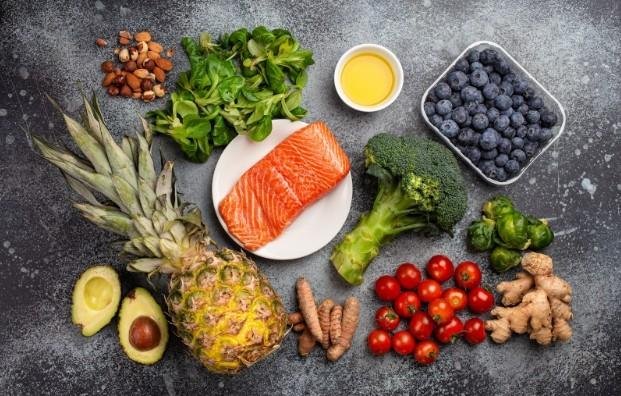
If you’re looking to reduce inflammation, incorporating the following anti-inflammatory foods into your meals can make a significant difference:
Fatty Fish
Fatty fish such as salmon, mackerel, and sardines are packed with omega-3 fatty acids, which are known for their powerful anti-inflammatory properties. Consuming fish like these can help lower the levels of inflammation-causing compounds in your body.
Berries
Berries, including blueberries, strawberries, and blackberries, are rich in antioxidants, specifically anthocyanins, which help to combat inflammation at the cellular level.
Leafy Greens
Vegetables such as spinach, kale, and Swiss chard contain high levels of vitamins and minerals that play a vital role in reducing inflammation. They are also loaded with fiber, which promotes healthy digestion.
Nuts and Seeds
Nuts like almonds and walnuts and seeds such as chia seeds and flaxseeds are full of healthy fats, fiber, and antioxidants that help to reduce inflammation and promote heart health.
Olive Oil
Extra virgin olive oil is a cornerstone of the Mediterranean diet and is packed with oleocanthal, a compound that reduces inflammation and has been shown to mimic the effects of anti-inflammatory drugs.
Turmeric
Turmeric contains curcumin, a powerful antioxidant with strong anti-inflammatory properties. Adding turmeric to your meals can reduce inflammation and improve joint health.
Foods to Avoid in an Anti Inflammatory Diet

While adding anti-inflammatory foods to your diet is crucial, avoiding certain foods is just as important. These foods can trigger or worsen inflammation in the body:
Processed Foods
Processed foods, including sugary snacks, fast food, and ready-to-eat meals, often contain unhealthy trans fats and refined sugars that contribute to chronic inflammation.
Refined Carbohydrates
Foods like white bread, pasta, and other refined carbs cause an increase in blood sugar, leading to increased production of pro-inflammatory cytokines.
Red Meat
Although meat is an excellent source of protein, red meat can contribute to higher levels of inflammation, particularly when consumed in excess. Opting for lean meats or plant-based protein sources like legumes can help lower inflammation.
Fried Foods
Fried foods are rich in unhealthy fats, particularly omega-6 fatty acids, which have been shown to promote inflammation when consumed in excess.
Dairy
Some people are sensitive to dairy products, especially full-fat varieties, which may trigger inflammation in certain individuals. If you experience discomfort after consuming dairy, consider reducing your intake or switching to non-dairy substitutes like almond milk.
Anti Inflammatory 7-Day Meal Plan
Starting an anti-inflammatory diet can be simple and enjoyable! Below is a 7-day meal plan to help guide you through your first week.
Day 1
- Breakfast: Oatmeal with blueberries, chia seeds, and a drizzle of honey
- Lunch: Grilled salmon with leafy greens salad and olive oil dressing
- Dinner: Quinoa and vegetable stir-fry with turmeric and avocado
Day 2
- Breakfast: Greek yogurt with strawberries, walnuts, and flaxseeds
- Lunch: Chickpea and kale salad with olive oil and lemon dressing
- Dinner: Grilled chicken with roasted sweet potatoes and steamed broccoli
Day 3
- Breakfast: Avocado toast on whole-grain bread with a sprinkle of turmeric
- Lunch: Spinach and quinoa salad with olive oil and nuts
- Dinner: Baked mackerel with a side of sautéed kale and quinoa
Day 4
- Breakfast: Smoothie with spinach, chia seeds, berries, and almond milk
- Lunch: Roasted chicken breast with sweet potato and a side of greens
- Dinner: Grilled shrimp with roasted vegetables and brown rice
Day 5
- Breakfast: Scrambled eggs with spinach and avocado
- Lunch: Salmon salad with mixed greens, olive oil, and lemon dressing
- Dinner: Stir-fried tofu with broccoli, mushrooms, and quinoa
Day 6
- Breakfast: Chia pudding topped with strawberries and almonds
- Lunch: Lentil soup with leafy greens and a side of whole-grain bread
- Dinner: Grilled turkey with roasted Brussels sprouts and a quinoa salad
Day 7
- Breakfast: Smoothie with kale, flaxseeds, blueberries, and almond milk
- Lunch: Tuna salad with spinach, olive oil, and a lemon dressing
- Dinner: Grilled vegetable and quinoa bowl with turmeric seasoning
Frequently Asked Questions (FAQs)
1. How long does it take to see results from an anti-inflammatory diet?
Results can vary from person to person. Generally, you may start noticing reduced inflammation and improved energy levels within 2-4 weeks of consistently following the diet.
2. Can I follow an anti-inflammatory diet if I am vegetarian?
Absolutely! Many plant-based foods like leafy greens, nuts, seeds, and legumes are perfect for an anti-inflammatory diet.
3. Is the anti-inflammatory diet suitable for people with heart disease?
Yes, the anti-inflammatory diet is rich in heart-healthy foods, such as fatty fish, nuts, and leafy greens, making it beneficial for heart health.
Final Thoughts
The anti inflammatory diet is a powerful tool in managing and reducing inflammation, which is at the root of many chronic diseases. By focusing on foods rich in antioxidants, healthy fats, and fiber, you can improve your overall health and well-being. Looking to reduce joint pain, enhance digestion, or boost your immune system, this diet can help guide you toward a healthier, inflammation-free lifestyle.
By incorporating anti-inflammatory foods and avoiding processed, inflammatory foods, you can take proactive steps toward better health. Start with small changes, like adding more leafy greens or swapping refined carbs for whole grains, and see how your body responds!