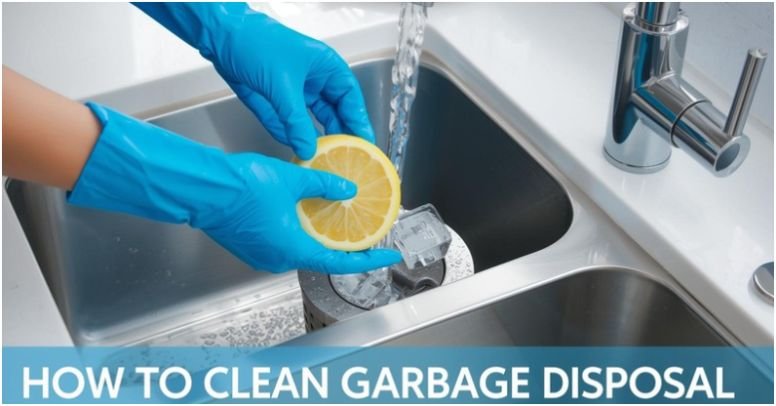
If your garbage disposal has started to smell, grind slowly, or sound rough, it may be time for a deep clean. As someone who has studied kitchen maintenance and food-waste systems extensively, I’ve learned that cleaning your garbage disposal isn’t just about freshness—it’s also about performance, safety, and longevity of the unit.
A clean disposal reduces bacteria growth, prevents plumbing clogs, and ensures that food particles are broken down efficiently. With just a few simple maintenance habits, you can keep your disposal working like new for years.
Regular cleaning also prevents mineral deposits and grease buildup that can strain the motor over time. Best of all, maintaining your disposal doesn’t require expensive chemicals or special tools—just smart and consistent care.
First: Safety Matters
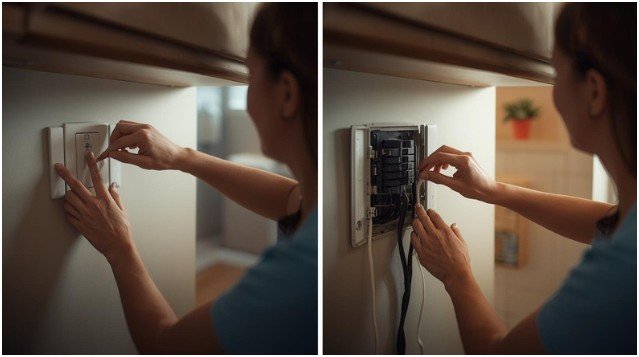
Before doing anything inside the disposal, always:
Turn off the power.
This can mean:
- Switching off the wall power
- Cutting power at the breaker
- Unplugging the unit if applicable
Never put your hand inside a disposal unless it is fully disabled from power.
Step 1: Clean the Splash Guard (the most overlooked part)
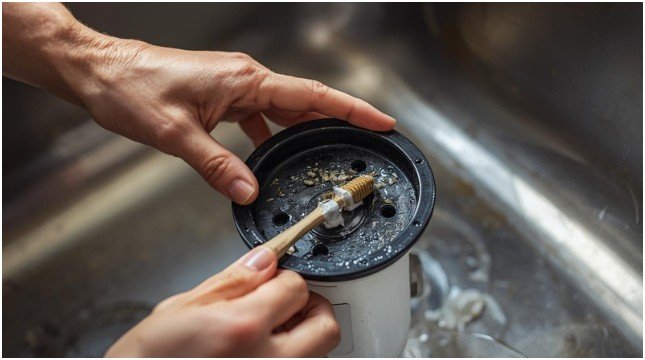
Most odors come from the underside of the rubber splash guard—not the disposal blades.
Do this:
- Lift or remove the rubber guard
- Scrub thoroughly with hot water + dish soap
- Use a toothbrush or small scrub brush
- Rinse and replace
This step alone can eliminate 50–60% of disposal smells.
Step 2: Choose Your Deep Cleaning Method
Below are two effective interior-cleaning methods.
Method 1: Baking Soda + Vinegar (the natural cleaner)
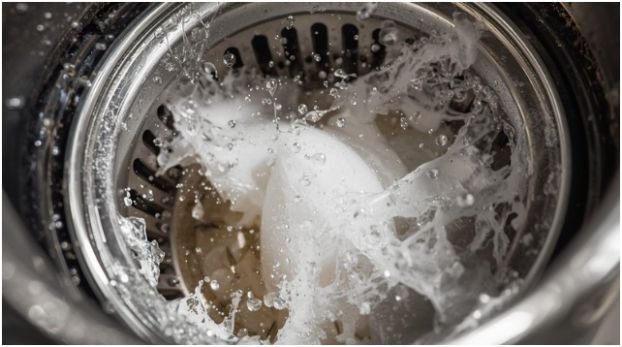
This method dissolves organic buildup and deodorizes thoroughly.
- Turn off power
- Pour 1/2 cup baking soda into disposal
- Add 1 cup vinegar
- Let it fizz for 5–10 minutes
- Turn on hot water and flush
This breaks down gunk, grease, and food residue along the grinding chamber walls.
Method 2: Ice + Salt (the scrubbing cleaner)
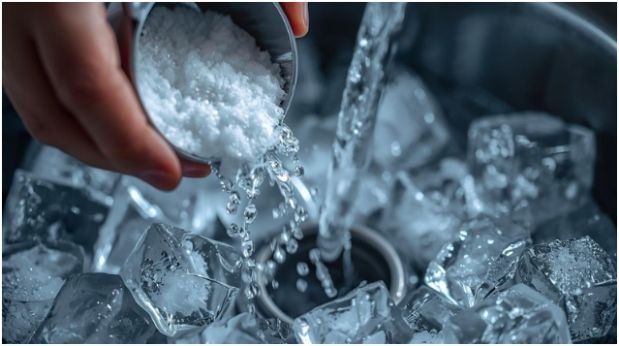
This method mechanically breaks up stuck food particles.
- Pour in 2 cups of ice cubes
- Add 1 cup of rock or kosher salt
- Turn on cold water
- Run disposal until ice breaks down completely
The ice acts like tiny scrubbers, while coarse salt helps scrape internal surfaces clean.
Quick Comparison: Which Method Is Best?
| Method | Best For | Strengths | Notes |
| Baking Soda + Vinegar | Odor removal | Natural, deodorizing | Great for smell + buildup |
| Ice + Salt | Physical scrubbing | Removes stuck debris | Best for performance |
| Lemon or Citrus | Freshening | Clean scent | Not a deep clean |
| Dish Soap Rinse | Light maintenance | Easy weekly rinse | Minimizes residue accumulation |
Many homeowners alternate both deep cleaning methods monthly for maximum freshness and efficiency.
Step 3: Deodorize and Freshen
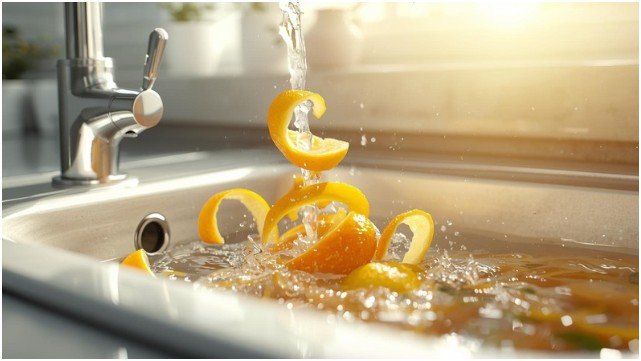
After cleaning, you can freshen the disposal by:
Grinding citrus
- Lemon
- Lime
- Orange
Cut into small chunks and let the disposal grind them with cold water.
This adds a natural, clean scent while also using citrus oils to break down grease.
Step 4: Dish Soap Flush (simple weekly care)
Run the disposal while adding:
- A big squeeze of dish soap
- Follow with hot water for 1–2 minutes
This quick routine reduces buildup between deep cleanings.
What Not to Put in a Garbage Disposal
Misusing the disposal is a major cause of odors and mechanical strain. Avoid putting these down the drain:
- Grease, fats, oils
- Eggshells
- Coffee grounds
- Stringy vegetables (celery, onion skin, corn husk)
- Fruit pits
- Pasta or rice (expand inside pipes)
- Large bones
These items can clog drains, wrap around blades, or create sticky residue.
Extra Pro Tips from an Expert
Use cold water, not hot, during grinding
Hot water can melt grease, which later solidifies inside the pipes.
Cold water keeps fats firm so they grind better.
Run water for 30 seconds after grinding
This helps move debris fully through the plumbing.
Avoid chemical drain cleaners
These chemicals can damage disposal components and corrode metal parts.
Clean it monthly (minimum)
- Light use: every 2–3 months
- Heavy use: every 2–4 weeks
When to Consider Professional Cleaning
If you experience:
- Persistent odor despite cleaning
- Frequent jams
- Loud grinding sounds
- Sluggish performance
- Visible rust or corrosion
Then you may need a plumber or appliance technician to inspect the unit.
Signs Your Disposal Is Clean and Healthy
You’ll know your garbage disposal is in good shape when:
- There’s no unpleasant smell
- It grinds quickly and smoothly
- There’s no rumbling or rattling
- Water drains normally
- No slimy buildup around splash guard
FAQs About How to Clean Garbage Disposal
1. How often should I clean my garbage disposal?
For average use, once a month.
For heavy cooking households, every 2–3 weeks.
2. Can I use bleach to clean my garbage disposal?
I don’t recommend it. Bleach can damage rubber components and kill beneficial drain bacteria.
3. Is it okay to put lemon peels in the disposal?
Yes—lemon, lime, and orange peels are fine and good for deodorizing.
4. What if my disposal smells like sewage?
This may be deeper drain buildup rather than the disposal. A plumbing flush or P-trap cleaning may be needed.
5. Are egg shells good for sharpening the blades?
No—this is a myth. Eggshells create a fine abrasive powder that can clog drains.
Final Thoughts
Knowing how to clean garbage disposal properly allows you to maintain a kitchen that smells fresh and a plumbing system that runs smoothly.
By combining natural deodorizing agents with mechanical scrubbing techniques, you ensure that the disposal remains odor-free and efficient.
Consistent care helps prevent expensive repairs, unexpected clogs, and unpleasant smells in the future. Treat your disposal with thoughtful maintenance and it will continue to serve you reliably for years.