

Owning a home is a milestone. It is often the biggest financial investment we make in our lifetimes, and for many, it represents stability, comfort, and a place to build memories. But life isn’t static. As years go by, your needs change, your family grows, or your career shifts. Suddenly, that perfect home might need a renovation, or perhaps you have other dreams—starting a business, sending a child to college, or consolidating debt—that require a significant influx of capital.
This is where the concept of flexible home financing comes into play. Your home is more than just a shelter; it is a financial asset. By leveraging the equity you’ve built over time, you can access funds to support your evolving goals without selling the property you love.
In this guide, we will explore how flexible financing options can help you secure your dreams, the different avenues available to homeowners, and how to use these financial tools responsibly.
Understanding Home Equity

Before diving into financing products, it is crucial to understand what home equity actually is. Simply put, equity is the difference between your home’s current market value and the amount you still owe on your mortgage. If your home is worth $400,000 and you owe $250,000, you have $150,000 in equity.
Equity grows in two ways:
- Paying down your mortgage: Every monthly payment reduces the principal balance, slowly increasing your ownership stake.
- Market appreciation: If property values in your area rise, your home’s value increases, boosting your equity without you lifting a finger.
This accumulated wealth sits dormant in your property until you decide to access it. Flexible home financing allows you to “unlock” this value and put it to work.
The Power of Flexible Financing
Why choose home financing over other types of credit, like personal loans or credit cards? The answer usually lies in the terms. Because these loans are secured by your property, lenders view them as lower risk. This typically translates to significantly lower interest rates compared to unsecured debt. Furthermore, the repayment terms are often longer, which can make monthly payments more manageable.
Flexibility is the key benefit here. Unlike a car loan, which must be used for a vehicle, or a student loan earmarked for tuition, funds secured through home equity can generally be used for any purpose.
Common Uses for Home Financing
- Home Improvements: Remodeling a kitchen, adding a bathroom, or finishing a basement can increase your home’s value, essentially reinvesting the equity back into the asset.
- Debt Consolidation: Paying off high-interest credit cards with a lower-interest home loan can save thousands in interest and simplify your monthly budget.
- Education Costs: Funding higher education for yourself or a child.
- Emergency Expenses: Covering unexpected medical bills or major repairs.
- Investment Opportunities: Using the capital to purchase a second property or start a business.
Exploring Your Options
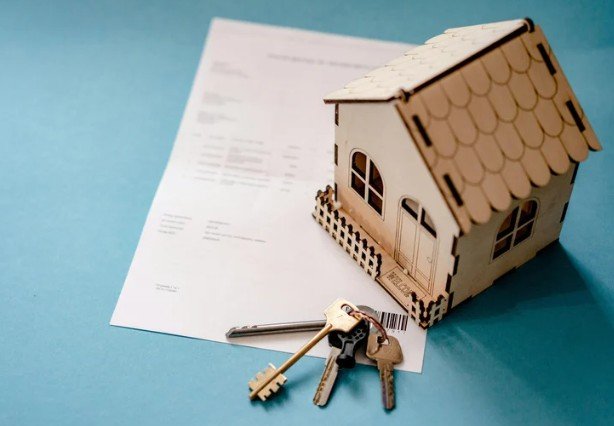
There isn’t a one-size-fits-all solution. Different financial products suit different needs, and understanding the nuances is vital.
1. Home Equity Loans
Often referred to as a “second mortgage,” a home equity loan provides a lump sum of cash upfront. You pay it back over a fixed term with a fixed interest rate. This predictability makes budgeting easy, as your monthly payment remains the same for the life of the loan. It is an excellent choice for large, one-time expenses where you know exactly how much you need, such as a contractor’s quote for a new roof.
If you live in the Beehive State, securing a home equity loan in Utah can be a strategic move to tap into the state’s robust real estate market, allowing you to fund major life projects with potentially tax-deductible interest (consult a tax advisor for specifics).
2. Home Equity Lines of Credit (HELOC)
A HELOC functions more like a credit card. You are approved for a specific limit, and you can draw from it as needed during a “draw period” (usually 10 years). You only pay interest on the amount you actually use, not the full limit. Interest rates are typically variable, meaning they can fluctuate with market conditions.
This option offers maximum flexibility. It is ideal for ongoing projects where costs might vary, or as a financial safety net for emergencies. Once the draw period ends, the repayment period begins, and you can no longer access funds.
3. Cash-Out Refinance
This involves replacing your existing mortgage with a new, larger loan. You pay off the old mortgage and pocket the difference in cash. This is different from a home equity loan because you aren’t adding a second payment; you are restructuring your primary debt.
This strategy makes sense if current mortgage rates are lower than your original rate, allowing you to secure a lower interest rate on your entire debt while accessing cash. However, closing costs can be higher than other options, so it requires careful calculation to ensure the long-term savings justify the upfront expense.
Responsible Borrowing: Risks and Considerations

While accessing home equity is powerful, it is not without risk. The most significant factor is that your home serves as collateral. Failure to repay the loan could lead to foreclosure. Therefore, it is essential to borrow only what you need and have a clear repayment plan.
Consider the closing costs: Just like your primary mortgage, these products often come with appraisal fees, origination fees, and closing costs. Ensure you factor these into your decision.
Watch the market: If property values drop significantly, you could end up “underwater,” owing more on your home than it is worth. This makes selling difficult. Keeping a healthy buffer of equity (usually at least 20%) is a wise safeguard.
Taking the Next Step Toward Your Goals
Your home is likely your greatest asset, and it can be a powerful tool for achieving your broader life goals. Whether you are looking to renovate, consolidate debt, or fund a new venture, flexible home financing offers a pathway to access the capital you need with favorable terms.
By understanding the differences between loans, lines of credit, and refinancing, you can choose the vehicle that best aligns with your financial picture. Don’t let your equity sit idle if it can help you build a better future. Research your options, consult with financial professionals, and take control of your financial destiny.