
Winter has a way of revealing the weak spots in a home. One minute you are enjoying a cozy evening by the fire, and the next, a draft sneaks past your ankles, reminding you that the cold air outside is trying its best to get inside. For many homeowners, this battle against the chill isn’t just about comfort; it is about cost. Every draft represents energy escaping, and with it, your hard-earned money.
Keeping a home warm doesn’t necessarily mean cranking up the thermostat and accepting a higher heating bill. Often, the solution lies in smarter, more efficient ways to retain the heat you are already generating. It is about sealing the envelope of your house so that your heating system doesn’t have to work overtime to compensate for leaks and poor insulation.
In this guide, we will explore practical, energy-smart solutions to reduce heat loss. From quick weekend fixes to more substantial investments, these strategies will help you create a warmer, more efficient living space. You will learn where heat typically escapes and, more importantly, how to stop it in its tracks.
Understanding the Thermal Envelope
Before diving into specific fixes, it helps to visualize your home as a thermal envelope. This envelope consists of the roof, walls, windows, doors, and foundation—everything that separates the conditioned air inside from the unconditioned air outside.
When this envelope is compromised, heat transfer occurs. In the winter, heat moves from warm areas to cold areas. If your envelope has holes or weak spots, that expensive warm air migrates outdoors.
Identifying these weak spots is the first step. Common culprits include:
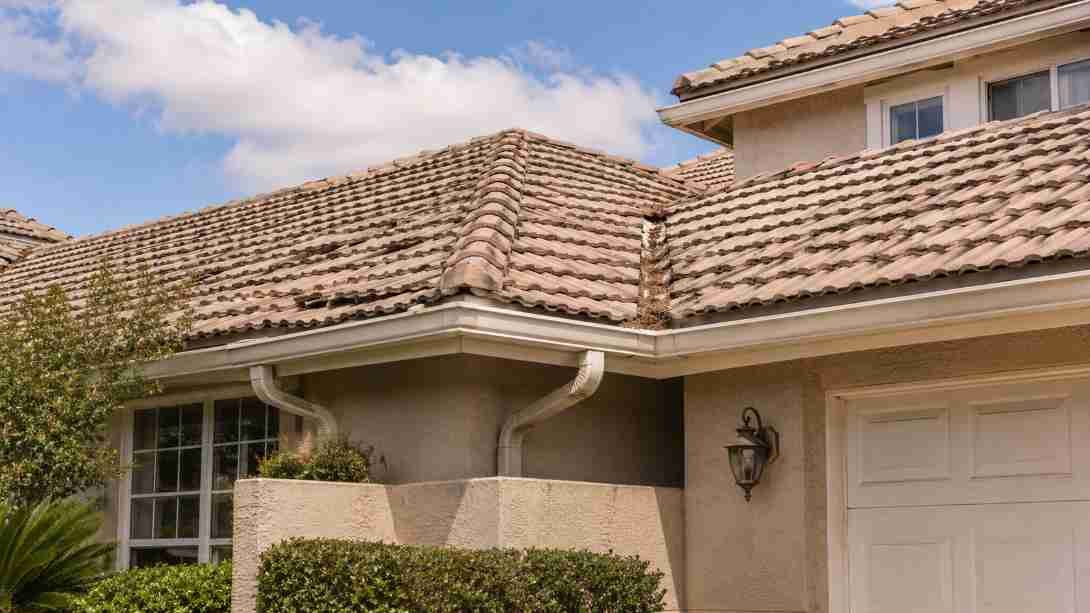
- Attics and Roofs: Heat rises, making the top of your house a primary escape route.
- Windows and Doors: Glass is a poor insulator compared to a solid wall, and gaps around frames let air leak through.
- Basements and Floors: Cold air can seep up from the ground, cooling your living space from below.
Upgrade Your Insulation
Insulation is the heavy lifter in the fight against heat loss. It acts as a barrier to heat flow, keeping warm air in during winter and out during summer. Many older homes are under-insulated by modern standards, particularly in the attic.
Check the Attic First
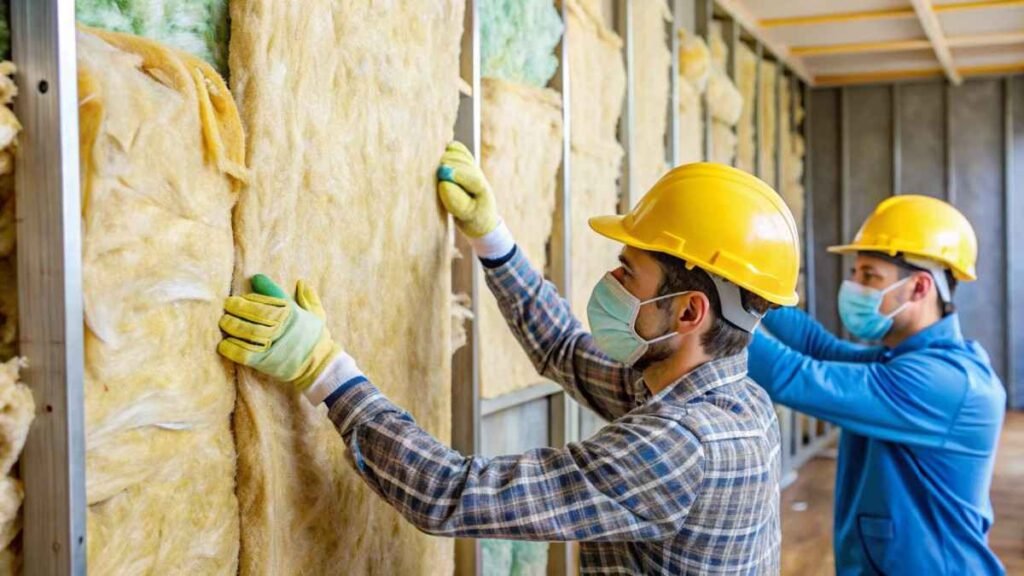
Since heat rises, a poorly insulated attic functions like a chimney, drawing warm air out of your living spaces. Adding blown-in cellulose or fiberglass batts can make a dramatic difference. Aim for an R-value (thermal resistance) appropriate for your climate zone; generally, higher R-values mean better insulating power.
Don’t Forget the Walls and Floors
While harder to access in finished homes, wall insulation is crucial. If you are renovating, consider adding insulation to exterior walls. For floors above unheated spaces like garages or crawl spaces, adding rigid foam or batting between floor joists can prevent cold feet and lower energy usage.
Seal the Leaks: Weatherstripping and Caulking
You might be surprised by how much heat escapes through tiny cracks and crevices. The cumulative effect of these small leaks can be equivalent to leaving a window wide open all winter.
Windows and Doors
Run your hand around the edges of your windows and doors on a windy day. If you feel a draft, you have a leak. Weatherstripping is an affordable and easy DIY solution.
Adhesive foam tape, V-strip, or felt can be applied to the frames to create a tight seal when closed. For the bottom of doors, install a door sweep to block the gap between the door and the threshold.
Caulking Cracks
Inspect the exterior of your home for gaps where different materials meet, such as around window frames, pipes, and vents, or consider maintenance work to save thousands to prevent expensive repair works.
A high-quality exterior caulk can seal these openings, preventing both air infiltration and water damage. Inside, look for gaps around baseboards and electrical outlets, which can also be sources of drafts.
Optimize Your Windows
Windows are often the weakest link in the thermal envelope. Single-pane windows offer very little resistance to heat flow. While replacing windows is a significant investment, the long-term energy savings can be substantial.
Double or Triple Glazing
Modern energy-efficient windows feature two or three panes of glass separated by a gas-filled space (usually argon or krypton) that acts as an insulator. They often come with Low-E (low-emissivity) coatings that reflect heat back into the room.
Window Treatments
If new windows aren’t in the budget, heavy curtains or cellular shades can add a layer of insulation. Open them during the day to let in free solar heat and close them at night to trap that warmth inside.
If you are considering a renovation or replacement, thinking about the specific climate is key. For example, homeowners looking for sliding glass doors in Salt Lake City need to prioritize high-performance glass that can handle harsh, snowy winters while still allowing for beautiful mountain views. Choosing the right product for your region ensures you aren’t sacrificing efficiency for aesthetics.
Maintain Your Heating System
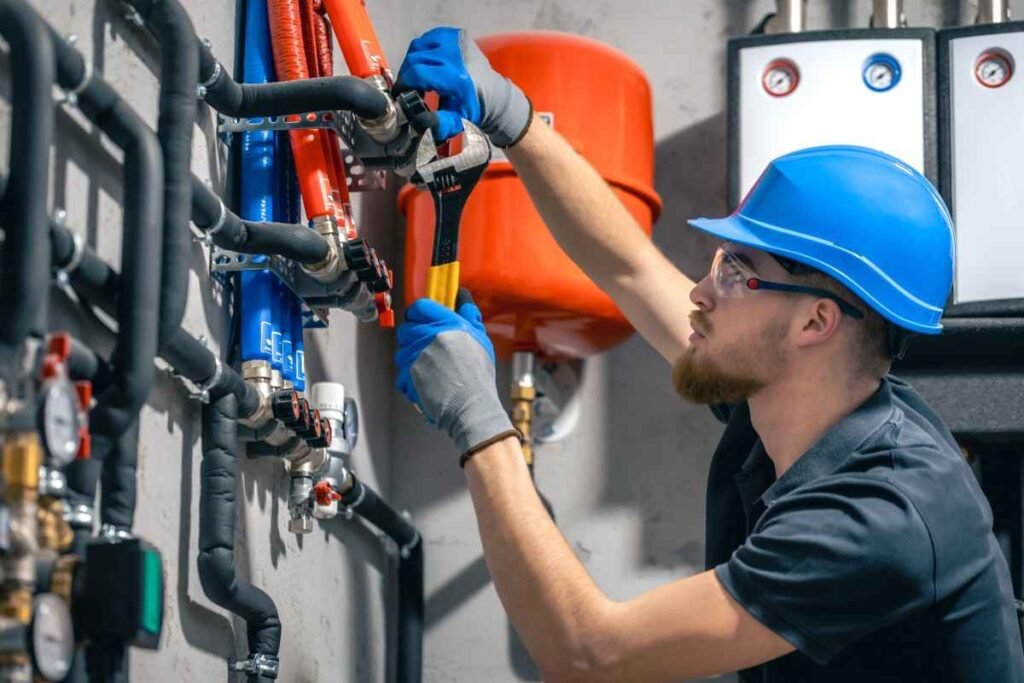
Even a perfectly sealed house won’t stay warm if the heat source is inefficient. Regular maintenance ensures your furnace, boiler, or heat pump operates at peak performance.
Change Filters Regularly
Clogged filters restrict airflow, forcing your system to work harder and use more energy. Check filters monthly and replace them at least every three months during the heating season.
Schedule Professional Tune-Ups
An annual inspection by a professional technician can catch issues before they become expensive repairs. They can clean the system, check for safety hazards, and ensure everything is running efficiently.
Bleed Radiators
If you have a boiler system with radiators, trapped air can prevent hot water from circulating properly, leaving cold spots. Bleeding the radiators releases this air and restores efficiency.
Embrace Smart Technology
Technology has given us new tools to manage home energy use. Smart thermostats are a game-changer for reducing heat loss and energy waste.
These devices learn your schedule and adjust the temperature automatically. They can lower the heat when you are away at work or asleep and warm the house up right before you return or wake up.
This ensures you aren’t heating an empty house, significantly cutting down on unnecessary energy consumption. Some models even provide energy reports, helping you track your usage and find further ways to save.
Creating a Cozier Future
Reducing heat loss is a journey, not a destination. It starts with awareness—noticing the draft under the door or the cold spot on the wall—and moves toward action.
Whether you start small with a tube of caulk and some weatherstripping or decide to invest in major upgrades like new insulation or windows, every step counts.
By tightening your home’s thermal envelope, you are doing more than just lowering a utility bill. You are creating a living space that remains consistent and comfortable regardless of the weather outside. You are reducing the strain on your heating system, extending its lifespan.
And ultimately, you are building a more sustainable home that wastes less and feels better to live in. Winter doesn’t have to win; with the right solutions, you can keep the warmth exactly where it belongs.