
Radiant heating is often considered the gold standard of home comfort. Unlike forced-air systems that blow dust and allergens around while creating drafty hot and cold spots, radiant heat provides a consistent, gentle warmth that rises from the floor up. It warms objects and people rather than just the air, making it incredibly efficient when running correctly.
However, like any complex home system, “set it and forget it” isn’t a viable long-term strategy. Without proper attention, even the highest-quality installation can suffer from performance drift. Energy bills start to creep up, warm zones become lukewarm, and the system has to work harder to maintain the same level of comfort.
Optimizing your system isn’t just about saving a few dollars on monthly utilities; it is about extending the lifespan of your equipment and ensuring your home remains a sanctuary against the winter chill.
Here is how you can fine-tune your radiant heating system for peak performance.
Understanding the Flow: Temperature and Pressure
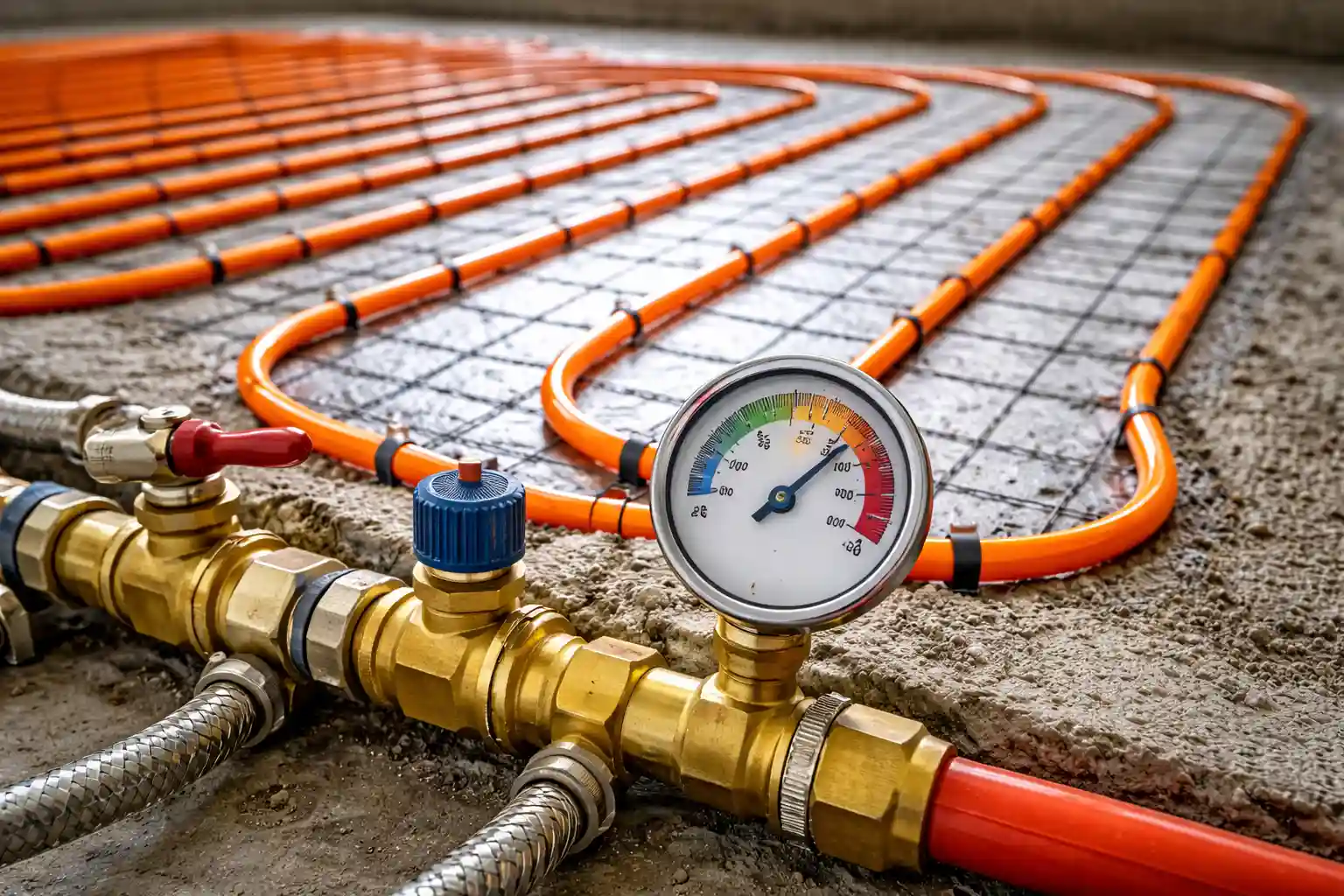
Hydronic radiant floor systems rely on a delicate balance of water temperature and pressure. If the water is too hot, you risk damaging your flooring or making the room uncomfortably warm with a smart solution for warmth. If it is too cool, the system runs constantly without ever satisfying the thermostat.
One of the easiest ways to optimize performance is to check the boiler supply temperature. Modern systems often use an “outdoor reset” control. This clever device adjusts the water temperature circulating in your floors based on the temperature outside.
On a mild fall day, you don’t need 120-degree water coursing through your tubes; 90 degrees might suffice. Ensuring your outdoor reset curve is dialed in correctly can lead to significant fuel savings because the boiler doesn’t fire as hot or as often.
System pressure is equally vital. Most residential hydronic systems operate between 12 and 15 psi. If pressure drops too low, the pumps can’t circulate water effectively to the upper floors or distant rooms. If you notice a specific zone is always cold, check the pressure gauge on your boiler.
The Importance of Zoning and Smart Controls
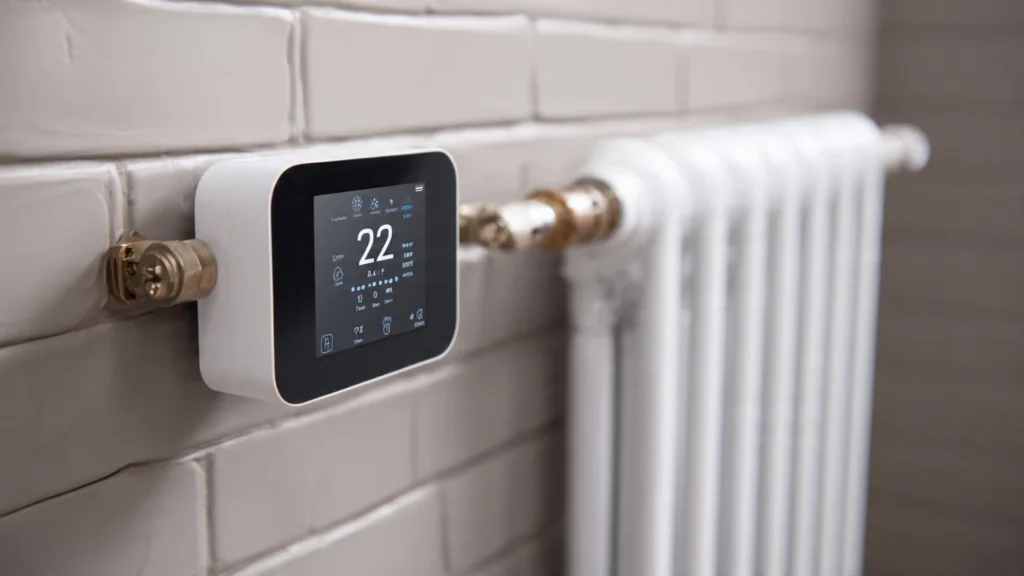
If you are heating your guest bedroom to the same temperature as your living room, you are wasting energy. Optimization starts with smart zoning.
Radiant systems have a long response time. Because they have to heat a thermal mass (like a concrete slab or subfloor), they heat up slowly and cool down slowly.
This “thermal lag” means standard setbacks—like dropping the temperature by 10 degrees while you are at work—are often counterproductive. The system has to work incredibly hard to recover that heat when you return.
Instead, focus on “micro-zoning.” Keep the manifold actuators functional so that different loops can be controlled independently. Upgrade to smart thermostats specifically designed for radiant heat. These advanced controllers learn the lag time of your specific floor.
They know exactly when to turn on the boiler to ensure the kitchen is warm by 7:00 AM, rather than guessing and overshooting the target temperature.
Mind Your Floor Coverings
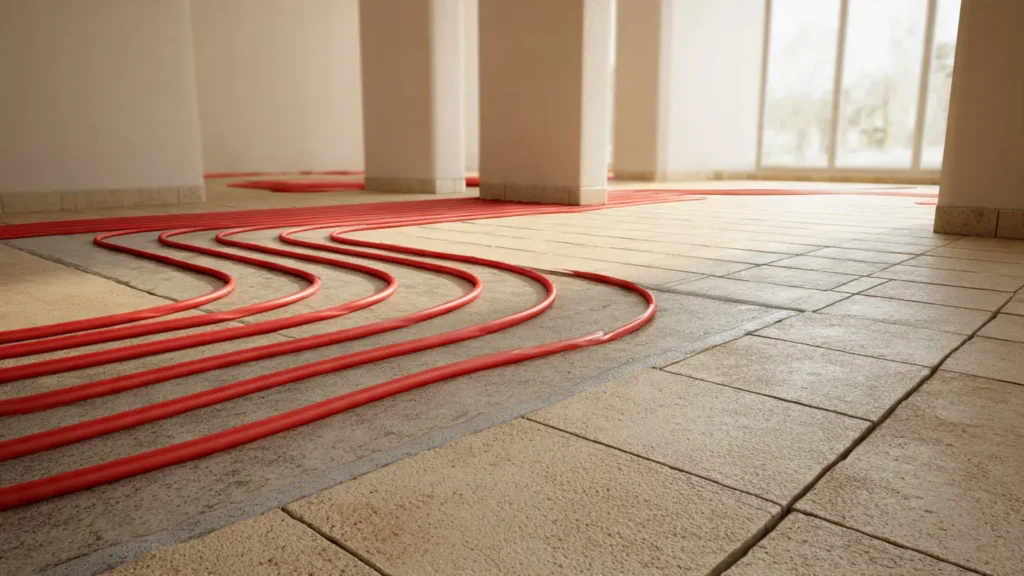
Homeowners often overlook how interior design choices impact heating efficiency. Radiant heat relies on thermal conductivity to transfer warmth from the tubing to the room.
Tile, stone, and concrete are excellent conductors. They hold heat well and release it easily. Carpet, thick rugs, and some hardwoods act as insulators. If you cover a radiant slab with a thick pad and plush wall-to-wall carpet, you are essentially putting a blanket over your heat source. The boiler has to run hotter to push warmth through that resistance, reducing efficiency.
If you are renovating or changing flooring, choose materials with low thermal resistance (R-value). If you must have carpet, choose a thin pile with a high-density pad specifically rated for radiant use. Removing large area rugs in the winter can also instantly boost the output of a sluggish room.
Regular Maintenance is Non-Negotiable
While there are plenty of adjustments homeowners can make, the heart of the system—the boiler and the pumps—requires professional eyes. Over time, air bubbles can get trapped in the lines, causing noise and blocking flow. Sediment can build up in the heat exchanger, acting as an insulator that prevents water from heating up efficiently.
Annual inspections are crucial for catching small issues before they become expensive repairs. A technician will check the pH level of the heat transfer fluid (the water or glycol mix) to prevent corrosion inside the pipes. They will also inspect the pumps, expansion tank, and pressure relief valves.
This is especially critical in mountain towns where heating systems run for a significant portion of the year. If you live in a region with heavy snowfall and freezing nights, you cannot afford a mid-winter breakdown.
Scheduling a professional boiler service in Park City before the deep freeze sets in ensures that your system is clean, calibrated, and ready to perform efficiently all season long.
Insulation: The Silent Partner
You can have the most advanced boiler and the smartest thermostat, but if your home is leaking heat, your system will never be optimized. Radiant heat is most effective in a “tight” building envelope.
Check the insulation under the subfloor. If you have radiant tubing installed between floor joists (a “staple-up” system), heat likes to travel in all directions. Without proper insulation directing that heat upward, you might be spending money to heat your basement ceiling or crawl space.
Reflective foil barriers and fiberglass insulation should be installed strictly according to manufacturer specifications to ensure the heat goes exactly where you want it: your living space.
Keeping the Warmth Where it Belongs
Optimizing a radiant heat system is rarely about a single fix. It is a combination of smart behaviors, correct settings, and consistent maintenance.
By respecting the unique physics of radiant heat—managing thermal lag, ensuring proper conductivity, and keeping the mechanical components clean—you can enjoy a home that feels luxurious without the luxury price tag on your energy bill.
Take a walk through your home today. Listen to the boiler, check your thermostat settings, and feel the floors. A little attention now pays dividends in comfort all winter long.