
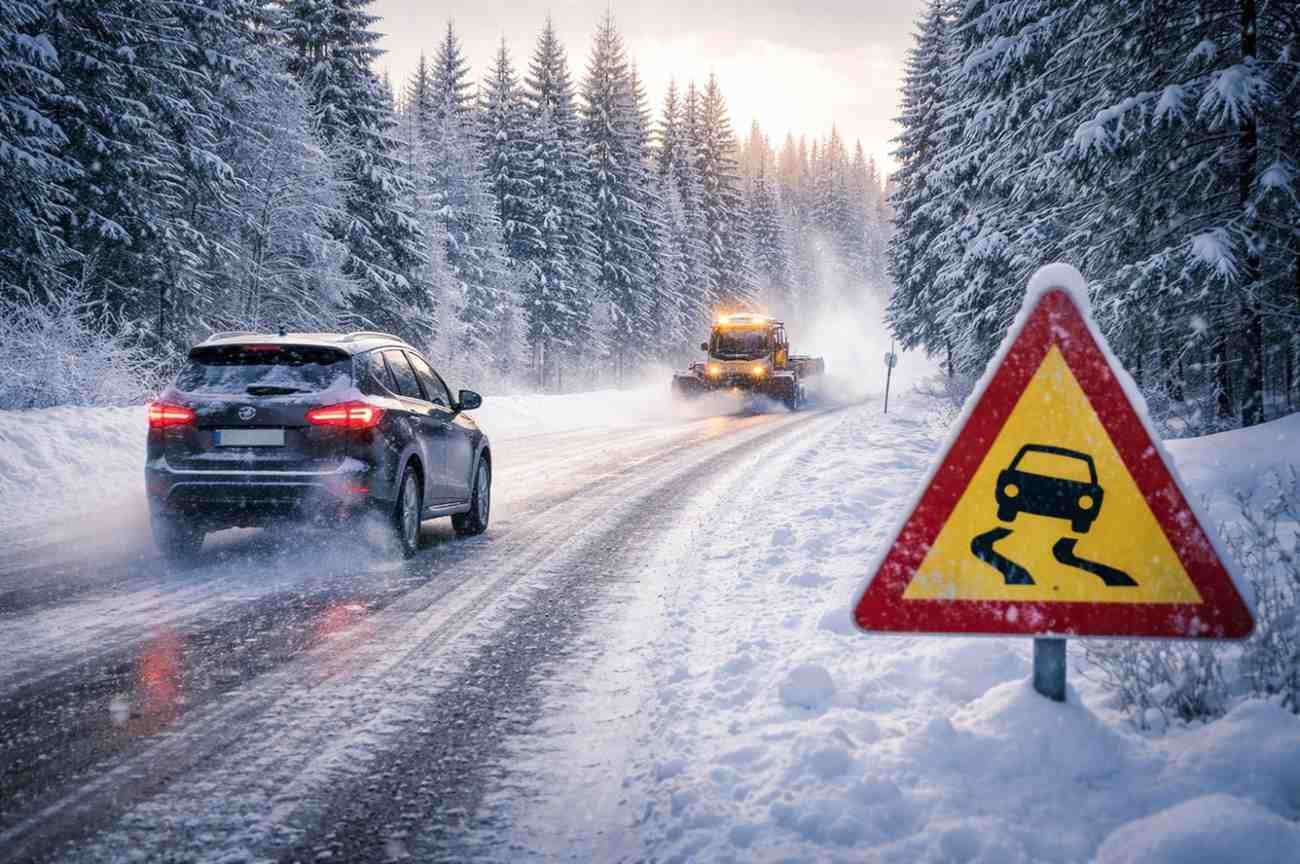
As the days grow shorter and the temperatures plummet, the open road undergoes a drastic transformation. While winter landscapes can be visually stunning, they bring a host of treacherous conditions for drivers. According to the Federal Highway Administration, over 70% of the nation’s roads are located in snowy regions, and nearly 24% of weather-related vehicle crashes occur on snowy, slushy, or icy pavement.
Preparing your vehicle is only half the battle; understanding the specific environmental threats you face is equally critical. Whether you are a seasoned veteran of snowy highways or a nervous newcomer to winter commuting, awareness is your best defense. By recognizing potential dangers before they become emergencies, you can adjust your driving habits to ensure you and your passengers arrive safely. Here are six winter driving hazards every motorist should know.
1. The Invisible Threat of Black Ice
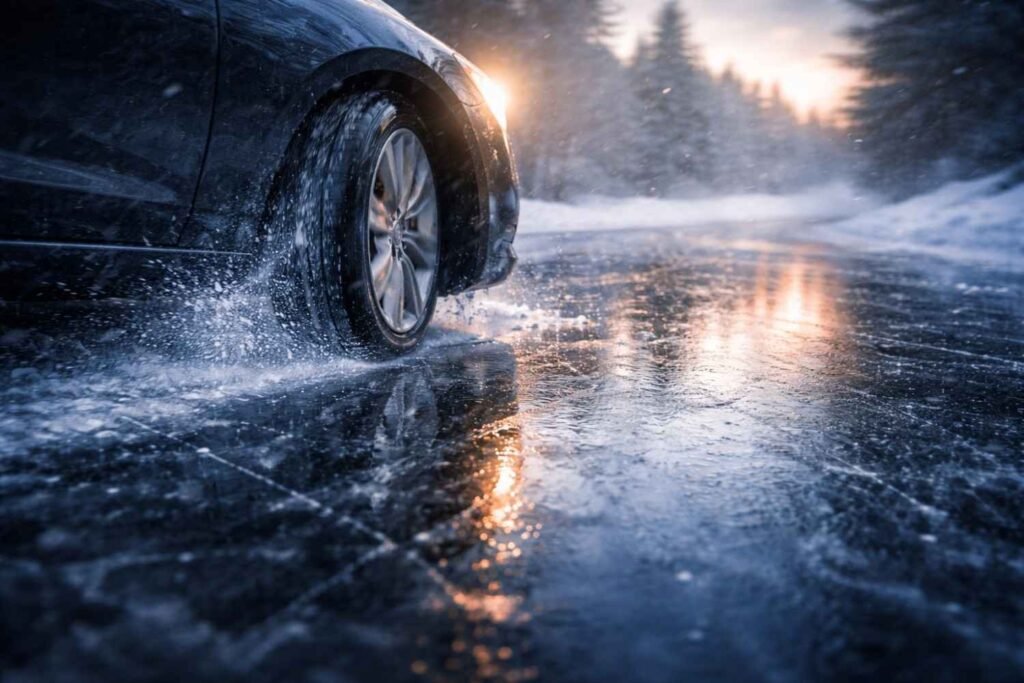
Black ice is arguably the most deceptive winter hazard because, unlike fresh snow or slush, it is nearly impossible to see. It forms when snow melts during the day and refreezes as a thin, transparent glaze on the road surface at night. Because it is transparent, the black asphalt shows through, making the road look merely wet rather than icy.
This hazard is most common on bridges, overpasses, and shaded areas of the road where the sun hasn’t hit. Bridges are particularly dangerous because cold air circulates both above and below the surface, causing them to freeze faster than roads on solid ground. If you hit black ice, your steering and braking will likely feel unresponsive. The most crucial tip is to remain calm; do not slam on the brakes, as this will lock your wheels and cause a spin. Instead, take your foot off the gas and steer gently in the direction you want the front of the car to go.
2. Compromised Visibility and Auto Glass Issues
Visibility is often the first casualty of winter weather. Heavy snowfall, blowing snow, and the spray of dirty slush from other vehicles can blind a driver in seconds. Furthermore, the stark white landscape can cause “snow blindness,” a temporary loss of vision caused by the glare of UV rays reflecting off the snow.
Your windshield is your primary window to the road, and winter puts it under immense stress. Temperature fluctuations—blasting the defroster inside while it is freezing outside—can cause the glass to expand and contract rapidly. If you have a small rock chip, this thermal shock can cause it to crack instantly, obscuring your view.
If a crack spreads across your line of sight during a storm, finding a reliable shop for a windshield replacement in Tooele becomes an immediate safety necessity. Always ensure your wiper fluid is topped off with a winter-grade solution that won’t freeze, and clear all snow from your hood so it doesn’t blow onto your windshield while driving.
3. Sudden Battery Failure
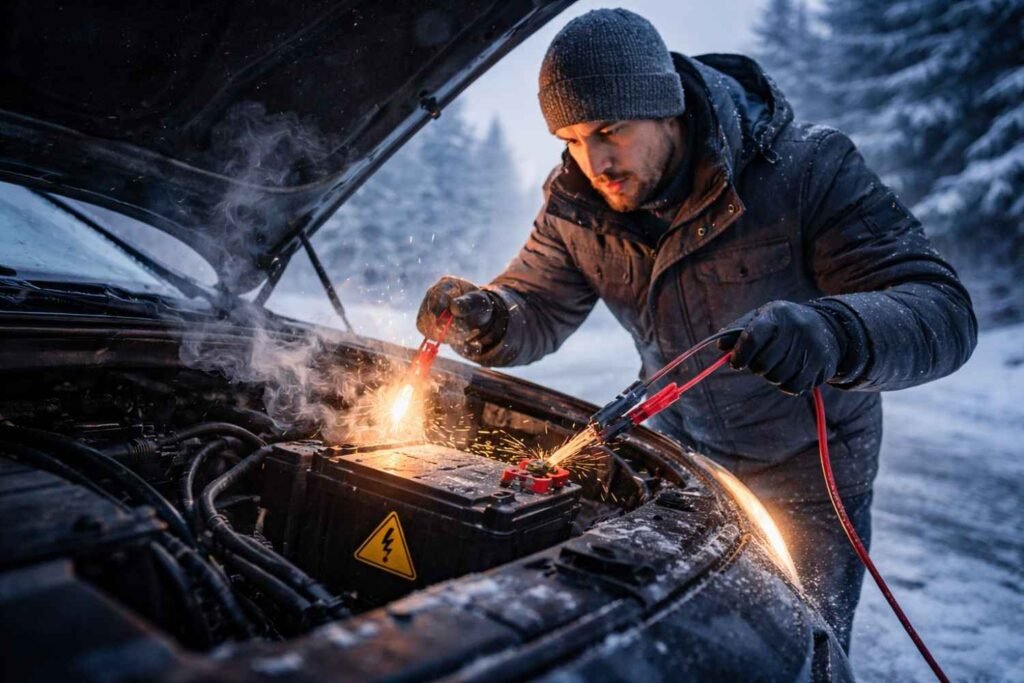
We often think of tires or brakes first when discussing winter safety, but a dead battery is one of the most common reasons drivers get stranded in the cold. Chemical reactions inside a car battery create the power needed to start the engine, but these reactions slow down significantly in freezing temperatures.
At 32°F, a fully charged battery loses about 35% of its strength. At 0°F, it loses 60%. If your battery is more than three years old, it may not have the cold-cranking amps (CCA) necessary to turn over a cold engine. To mitigate this risk, have your battery specifically load-tested before the deep winter sets in. It is also wise to keep a portable jump starter pack in your glove box, as relying on the kindness of strangers for a jump start isn’t always a guaranteed safety net in a blizzard.
4. Tire Pressure and Traction Loss
As the temperature drops, so does your tire pressure. For every 10-degree drop in air temperature, your tires can lose 1 to 2 PSI (pounds per square inch). Under-inflated tires have less traction, wear out unevenly, and are more prone to blowouts. In slick conditions, proper inflation is vital for the tread to grip the road effectively.
Furthermore, the type of rubber matters. Summer and even some all-season tires are made with rubber compounds that harden and become plastic-like when temperatures drop below 45°F, drastically reducing grip. Winter tires are designed with specialized compounds that remain flexible in the cold, allowing them to conform to the road’s irregularities.
If you cannot switch to winter tires, ensure your current tires have adequate tread depth. You can use the “penny test” by inserting a penny into the tread with Lincoln’s head upside down; if you can see all of his head, it is time for new tires.
5. Snow Plows and Salt Trucks
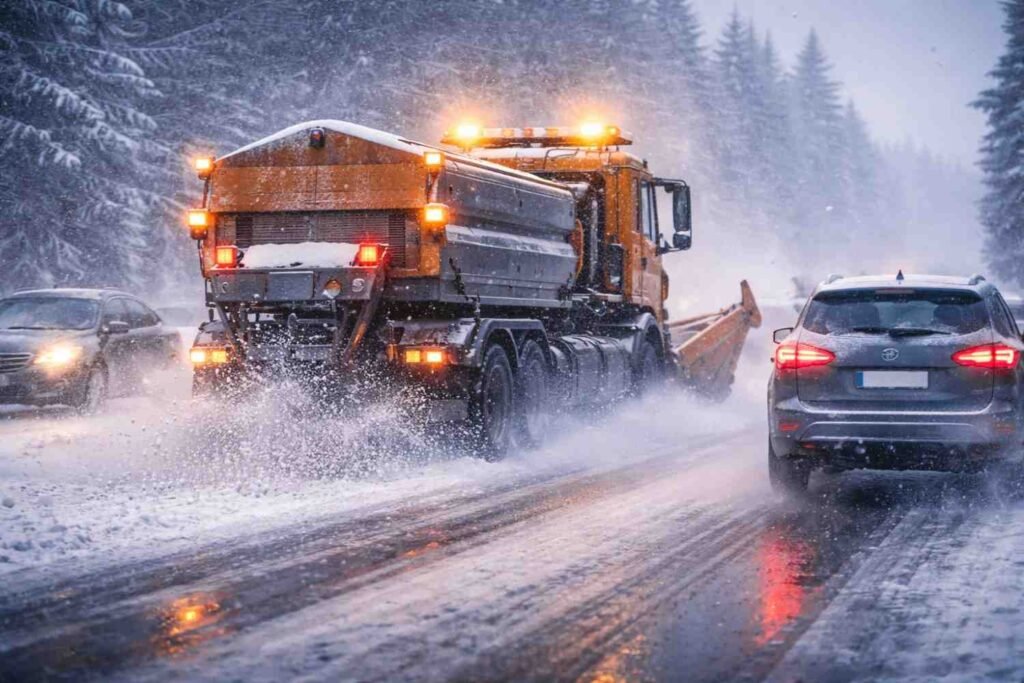
Sharing the road with maintenance vehicles requires patience and specific knowledge. Snow plows and salt trucks are necessary for keeping roads passable, but they create their own hazards. Plows often travel at speeds slower than the flow of traffic, usually around 30 to 35 mph, and they are wider than the average vehicle.
A major hazard associated with plows is the “snow cloud” they generate, which can reduce visibility to near zero for vehicles following too closely. Drivers should never attempt to pass a snowplow on the right side, as the plow blade extends into that lane and is pushing a heavy wave of snow and debris. The safest place to be is well behind the plow, where the road has already been cleared and salted.
6. Carbon Monoxide Poisoning Risks
While most driving hazards are about the vehicle in motion, one of the deadliest occurs when the vehicle is stopped. If you slide off the road and become stuck in a snowbank, there is a risk that snow could block your vehicle’s exhaust pipe. If the engine is left running to keep the interior warm, deadly carbon monoxide gas can back up into the cabin rather than escaping outside.
Carbon monoxide is odorless and colorless, making it a silent killer. If you are stranded, you must ensure the exhaust pipe is clear of snow before starting the engine. Run the car only for short intervals (about 10 minutes every hour) to conserve fuel and heat, and crack a window slightly to ensure fresh air circulation.
Conclusion
Winter driving demands a heightened sense of awareness and preparation. The risks of ice, reduced visibility, and mechanical failure are real, but they are also manageable with the right knowledge. By understanding how your vehicle reacts to cold weather and respecting the changing road conditions, you can significantly reduce your chances of an accident. Stay vigilant, maintain your vehicle, and always prioritize safety over speed when the snow starts to fall.