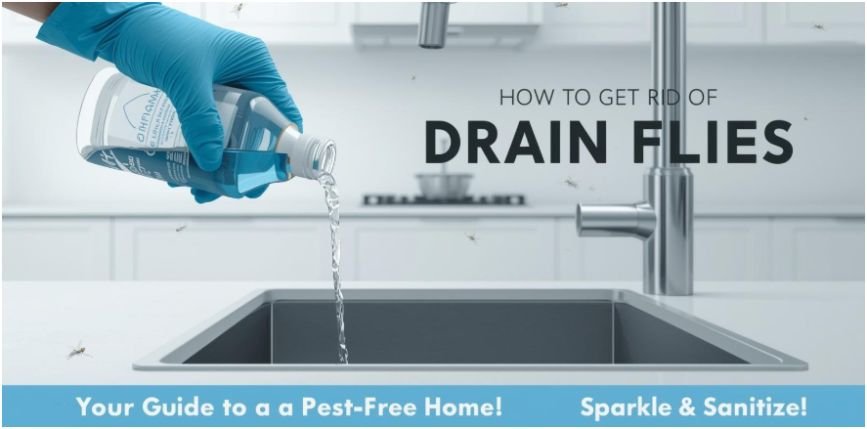
If you’ve spotted tiny fuzzy flies hovering around your sinks, bathroom drains, or shower, you’re dealing with drain flies. They’re not harmful, but they are persistent—and they won’t disappear until you disrupt their life cycle inside the plumbing.
While many people attempt quick fixes that only kill the surface-level flies, true eradication requires removing the organic film inside drain pipes where they breed. With a strategic plan and consistent treatment, you can eliminate drain flies entirely and prevent them from coming back.
Understanding why they appear and how they reproduce is key to breaking the cycle. This guide will help you apply proven methods so you can solve the problem confidently and permanently.
What Causes Drain Flies in the First Place?
Drain flies thrive in damp, humid environments with decaying organic material. They reproduce in areas where sludge, grease, bacteria, and waste cling to pipe walls.
Common causes:
- Slime buildup inside drains
- Partially clogged or slow drains
- Rarely used drains
- Leaking or damaged pipes
- Residue from food waste, shampoo, toothpaste, and soap
Drain flies aren’t invading from outside—they are being created inside your own plumbing system.
Step-by-Step: How to Get Rid of Drain Flies FAST
Flush With Boiling Water
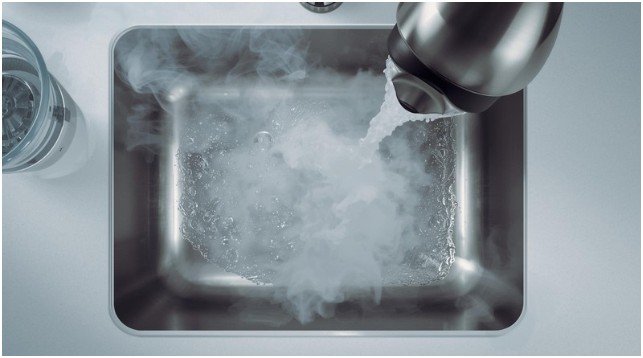
This is the simplest first step and a good starting treatment.
How to do it:
- Pour a full pot of boiling water down the drain
- Repeat 1–2 times daily for at least a week
This kills larvae, disrupts breeding conditions, and loosens biofilm buildup.
Baking Soda + Vinegar Reaction
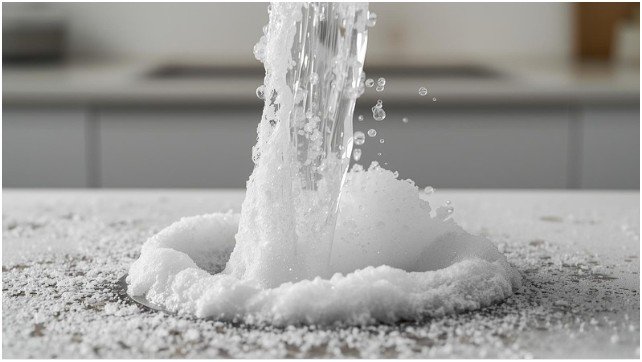
This creates a fizzy chemical reaction that cleans the interior of the drain.
How to apply:
- Pour 1/2 cup baking soda into the drain
- Add 1 cup vinegar
- Let it foam for at least 1 hour or overnight
- Rinse with boiling water
This is great for odor removal and breaking down residue.
Use an Enzyme or Microbial Drain Cleaner
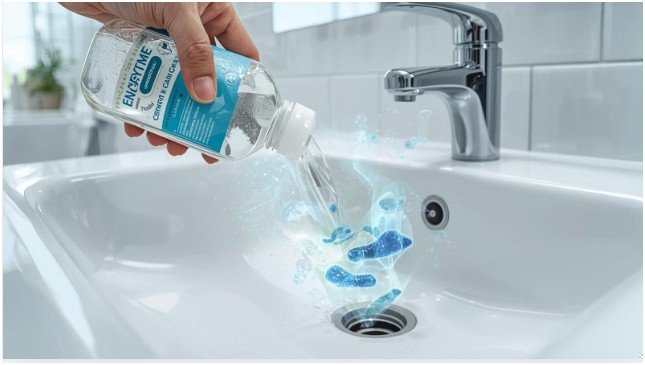
This is one of the best long-term solutions for complete eradication.
Unlike bleach or harsh chemicals, enzyme products digest organic matter rather than just killing larvae.
How to use:
- Apply cleaner directly to drain walls
- Avoid using the drain for several hours
- Repeat nightly for 5–7 days
This strips away the biofilm where flies lay eggs, eliminating their food source.
Physical Drain Scrubbing
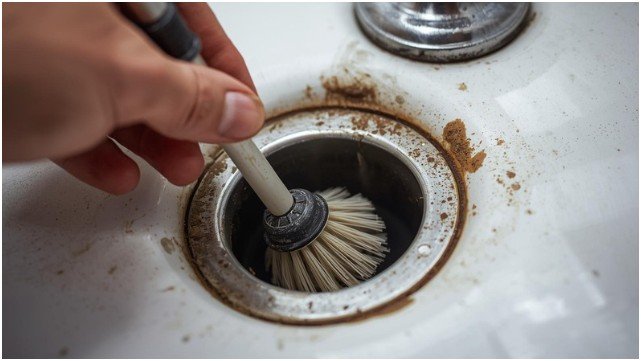
Many people skip this step—but it’s incredibly impactful.
Tools:
- flexible metal pipe brush
- long nylon drain brush
How to do it:
- Remove drain stopper
- Insert brush deeply
- Scrub interior sides thoroughly
- Flush afterward with boiling water
This prevents larvae from clinging to pipe walls and stops egg-laying surfaces from reforming.
Homemade Fly Traps for Adults
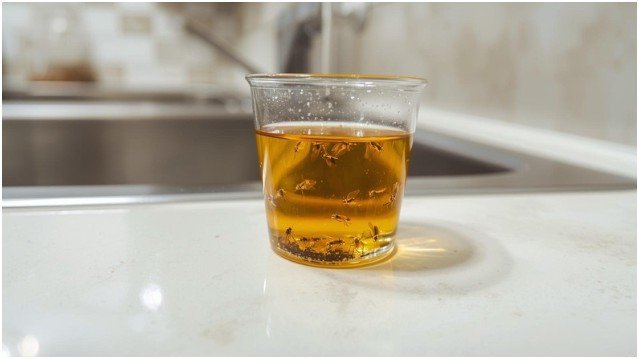
This helps capture adult drain flies while you treat the drain itself.
Recipe:
- 1/2 cup apple cider vinegar
- A few drops of dish soap
Place it beside the drain overnight.
Adult flies are attracted to vinegar and drown once their wings hit the soapy solution.
Quick Comparison of Treatments
| Method | Kills Adults | Kills Larvae | Removes Biofilm | Good for Short-Term | Good for Long-Term |
| Boiling water | Yes | Some | No | Yes | No |
| Baking soda + vinegar | Yes | Some | Some | Yes | Yes |
| Enzyme cleaner | No | No | Yes | No | Excellent |
| Pipe brushing | No | Yes | Yes | No | Excellent |
| Vinegar trap | Yes | No | No | Yes | No |
The takeaway:
Killing adult flies is temporary. Removing biofilm is permanent.
Signs That You Have a Hidden Fly Source
Drain flies don’t always originate from the drain you see them flying around.
Watch for:
- flies emerging from floor drains
- flies around toilets or baseboards
- flies coming from the bathtub overflow
- unexplained sewer-like odors
- larvae on tile grout
- flies around unused guest bathroom drains
This often means:
- a secondary breeding site exists
- a broken pipe may be leaking beneath flooring
- moisture is accumulating where you can’t see it
Are Drain Flies Harmful?
Drain flies do not bite, sting, or transmit serious disease.
However, they can:
- spread bacteria from drains to surfaces
- trigger allergies in sensitive individuals
- indicate underlying plumbing issues
So while they aren’t dangerous, they are unsanitary and should be dealt with promptly.
Prevention: How to Keep Drain Flies From Returning

Once you’ve eliminated them, keep your drains clean to prevent reinfestation:
- Run hot water daily through frequently used drains
- Use an enzyme cleaner monthly
- Remove hair and debris from drains
- Brush pipes occasionally
- Fix slow-draining or clogged lines
- Repair any pipe leaks
- Avoid leaving unused drains stagnant
Good maintenance is the key to long-term prevention.
When You Should Call a Professional
It’s time to bring in expert help if:
- infestation persists after cleaning
- the odor of sewage is present
- flies return repeatedly every few weeks
- moisture under flooring is suspected
- you suspect pipe damage or drainage leaks
This may indicate:
- cracked sewer lines
- hidden water pooling
- deteriorating plumbing
- damaged floor drains
A plumber can scope pipes with a camera and locate the true breeding site.
FAQs About How to Get Rid of Drain Flies
1. Are drain flies and fruit flies the same?
No. Fruit flies target fruit, fermentation, and sugary areas. Drain flies live in wet gunk inside pipes.
2. How long does it take to completely get rid of drain flies?
Usually 1–3 weeks, depending on how thoroughly the biofilm is removed.
3. Does bleach work?
Bleach kills some larvae, but it does not eliminate the biofilm. The flies will usually return.
4. Can drain flies disappear by themselves?
No. As long as the breeding slime exists, they will keep reproducing.
5. Do drain flies mean my home is dirty?
Not necessarily. They often occur in perfectly clean homes—but develop due to unseen pipe buildup.
Final Thoughts
Learning how to get rid of drain flies effectively requires a realistic expectation: this is not a one-day fix. Draining adult flies addresses the annoyance you see, but treating the biofilm inside the drain solves the problem at its source.
With proper cleaning, enzyme treatment, and maintenance, you can completely eliminate drain flies and keep them from ever returning.
A clean, biofilm-free drainage system not only removes these pests but also improves overall plumbing hygiene and prevents odors and bacterial buildup over time.