
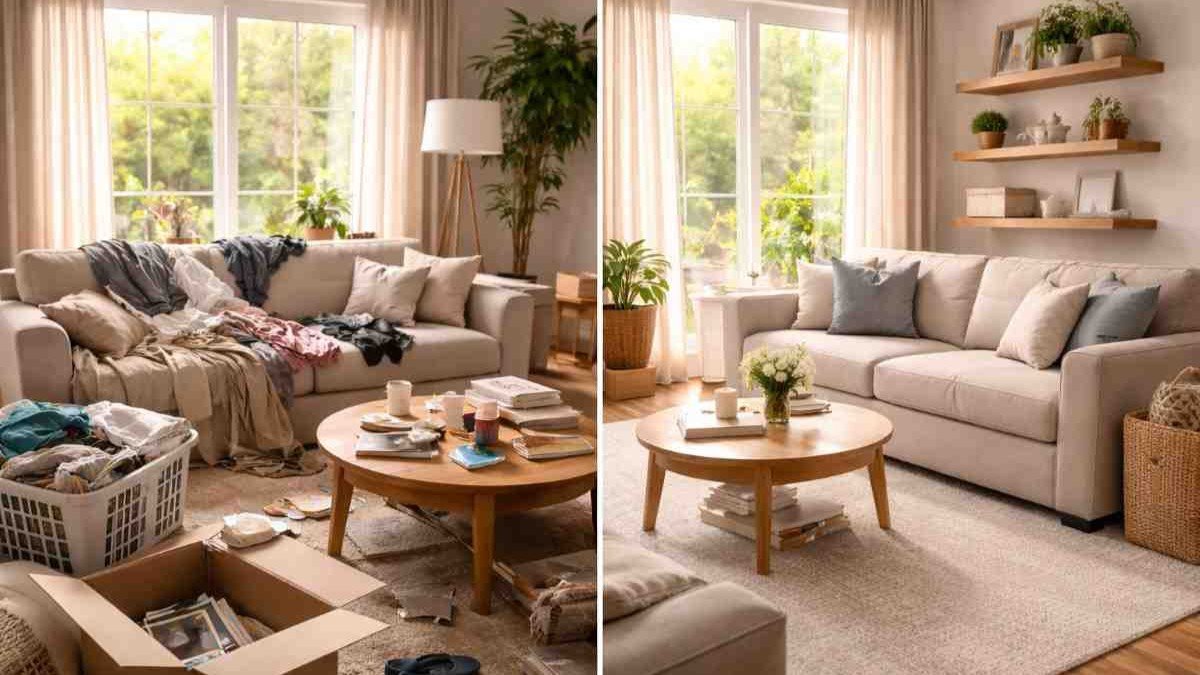
Living in a cluttered space can heavily impact your daily life and mental well-being. When physical items pile up around you, it often leads to a constant background hum of stress. Your brain has to work harder to filter out the visual noise, making it difficult to focus, relax, or simply enjoy your home.
Step 1: Sorting and Categorizing
The hardest part of decluttering is usually deciding where to start. Choose one small area, like a single drawer or a closet, and empty it. Seeing everything laid out forces you to handle each item and make a conscious decision about its future.
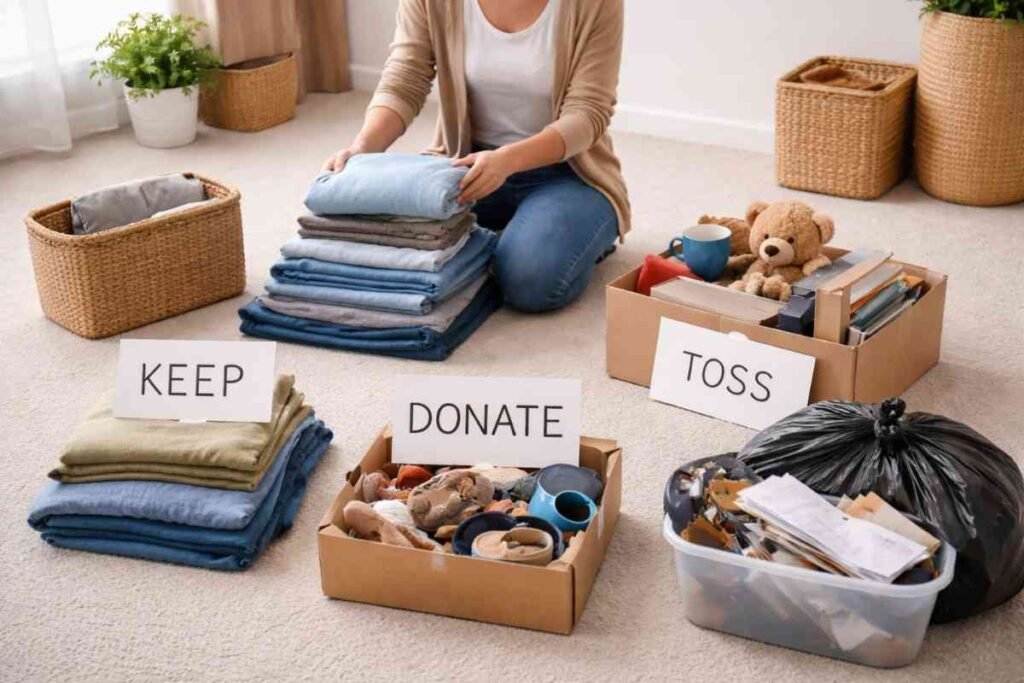
Create three distinct zones for your items: keep, donate, and toss. To determine where an item belongs, ask yourself a few practical questions. Have you used it in the last year? Does it serve a current purpose, or are you holding onto it out of guilt? Items that are broken, expired, or beyond repair go straight into the toss pile. If an item is in good condition but no longer serves you, put it in the donation box.
Keep only the things that you actively use or genuinely love. Be honest with yourself during this phase. Holding onto things “just in case” is the primary cause of household clutter.
Step 2: Smart Storage Solutions
Once you have narrowed down your belongings, you need efficient ways to store them. Maximizing your available space requires looking beyond the obvious closets and drawers.
Utilize Vertical Space
Most people forget to look up when organizing a room. Utilizing vertical space, like installing tall shelving units or floating shelves, allows you to store items high off the floor, freeing up valuable square footage. Use the top shelves for seasonal items or things you rarely need to access.
Invest in Multi-Functional Furniture
Furniture that serves dual purposes is incredibly helpful for keeping clutter out of sight. A storage ottoman can hold extra blankets while acting as a footrest. Beds with built-in drawers underneath offer an excellent hiding spot for out-of-season clothing or shoes. By choosing furniture that works harder, you maximize your room’s potential.
Embrace Digital Archiving
Paper clutter accumulates quickly and takes up unnecessary physical space. Bank statements, old tax returns, and children’s schoolwork can easily overwhelm your filing cabinets. Buy a decent scanner or use a high-quality smartphone scanning app to digitize these documents. Save them securely on a cloud drive or an external hard drive, and shred the physical copies you no longer legally need to keep.
Step 3: Efficient Moving Strategies
If you are decluttering in preparation for a move, your newly minimized belongings will make the process much easier. A successful move relies entirely on preparation and a solid packing system.
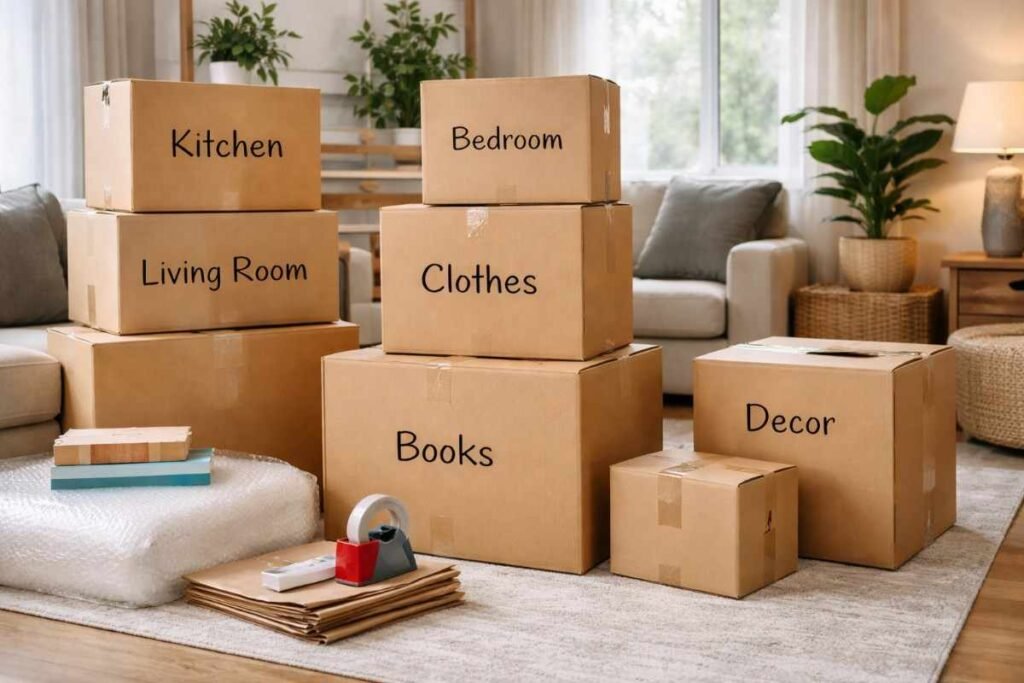
Start by gathering sturdy boxes, strong packing tape, and plenty of protective wrap. Pack non-essential items first, such as books and decorative pieces. Create a clear labeling system for every box. Write the destination room and a brief bulleted list of contents on at least two sides of the box. This prevents you from having to tear open six different boxes on your first night just to find your coffee maker.
Choosing the right moving service or transport method is also critical. If you are handling the transport yourself, protect your belongings from unpredictable weather and road debris. For example, renting an enclosed cargo trailer in Utah ensures your furniture and fragile boxes stay secure and dry during transport across the state’s varied terrain. If you hire professional movers, give them a clear floor plan so they know exactly where each labeled box belongs upon arrival.
Step 4: Maintenance Habits
Decluttering is not a one-time event. Without proper maintenance, the piles will eventually return. The key to maintaining a clear space is implementing small, consistent habits.
Spend ten minutes every evening putting things back where they belong. Clear off the kitchen counters, put the mail in its designated tray, and hang up your coat. This simple daily routine prevents a day’s worth of mess from snowballing into a weekend cleaning project.
Adopt the “one in, one out” rule. Whenever you bring a new item into your home, whether it is a pair of shoes or a kitchen gadget, an older item must leave. This boundary stops the gradual accumulation of stuff and forces you to be more intentional about your purchases.
Conclusion
Getting rid of excess belongings is a powerful way to reset your living environment. It teaches you to value the space you have and the items you truly need. By sorting carefully, storing smartly, and moving efficiently, you set the foundation for a much calmer home.